
Tallinn in winter can feel like a medieval film set, with snow on red roofs, warm light in café windows and towers rising through the early darkness. It can also be windy, icy and much colder than an unprepared visitor expects. The best winter trip combines short outdoor walks with museums, cafés, saunas and flexible plans.
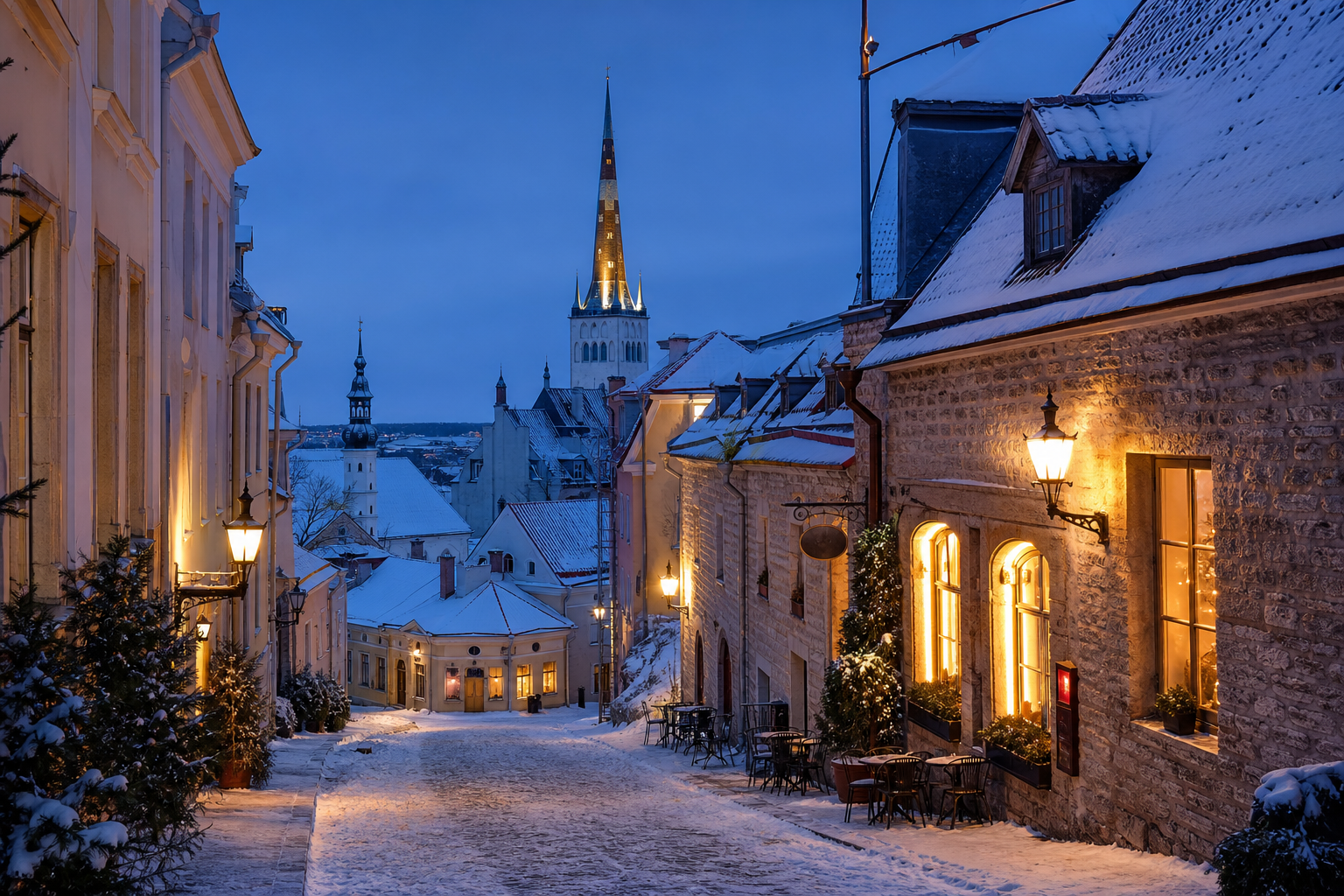
This guide explains how to enjoy the Old Town, Kadriorg, Kalamaja and Tallinn’s evening culture during the dark season. For visitors considering casino entertainment, our Tallinn casino city-break guide covers identification, venue planning and responsible spending.
When Is Winter in Tallinn?
Cold conditions can extend from late autumn into early spring, but snow is never guaranteed for a particular weekend. December brings festive lights and very short days, January and February may be colder, and March can alternate between thaw and fresh snow.
Check a reliable forecast immediately before departure. Wind chill matters, particularly near Tallinn Bay. Daylight times should shape the itinerary: schedule viewpoints and coastal walks for the middle of the day, leaving museums and meals for darkness.
Christmas-market dates, public holidays and seasonal attraction hours change each year. Use official sources instead of assuming December events continue throughout winter.
What to Pack
Bring waterproof, insulated footwear with a grippy sole. Tallinn’s cobblestones, slopes and steps become difficult when wet or icy. Warm socks, thermal base layers, a wind-resistant coat, gloves, hat and scarf are more useful than one fashionable heavy item.
Layer clothing so museums and restaurants remain comfortable. Carry a small bag for gloves and hat indoors. Lip balm and hand cream help in cold, dry air.
Estonian guidance emphasises visibility during dark months. Attach a reflector to an outer layer or bag so drivers can see you. Do not rely on a phone flashlight while crossing streets.
Arrival in Cold Weather
Tallinn Airport is close to the centre, but snow, works and late arrivals can affect transport. Check current public routes and ticket validation. An official taxi can be sensible with heavy luggage or severe weather.
Ferry passengers should confirm the exact terminal and walking conditions. Ice, wind and luggage make a short map distance feel longer. Use recognised transport rather than dragging cases across unsafe surfaces.
Choose accommodation with clear winter access, a staffed reception and luggage storage. Historic buildings may have steep stairs and variable heating.
Day One Morning: Old Town in Daylight
Start around Viru Gate and Town Hall Square soon after sunrise. Fresh snow is most attractive before heavy foot traffic, while daylight makes uneven paving easier to judge.
Walk the Lower Town lanes, St Catherine’s Passage and sections around Pikk and Lai. Keep the route compact. Duck into a museum or café whenever hands or feet become cold.
City-wall towers and viewpoints may close because of weather. Never climb icy stairs after barriers are placed. A closed attraction is not a challenge to bypass.
Warm Up in a Museum
Choose a museum that provides at least ninety minutes indoors. Tallinn City Life Museum, the Great Guild Hall, Kiek in de Kök fortifications or Niguliste Museum each offer different historical perspectives.
Check cloakroom rules and opening times. Snow-covered coats can make small galleries uncomfortable, so use provided storage. Some medieval interiors remain cool even when heated.
The Tallinn Card may save money for a museum-heavy winter plan. Compare the current list and validity before purchase.
Winter Lunch
Cold weather suits Estonian black bread, soups, fish, potatoes, mushrooms, cabbage and slow-cooked meats. Contemporary restaurants often reinterpret these ingredients with a lighter approach.
Reserve lunch in or near the Old Town to avoid long outdoor transfers. Ask about allergies, particularly rye, dairy, fish and nuts. Hot drinks add cost quickly in premium squares, so compare menus.
Allow a relaxed meal. Winter travel requires more recovery time than a summer itinerary.
Day One Afternoon: Toompea
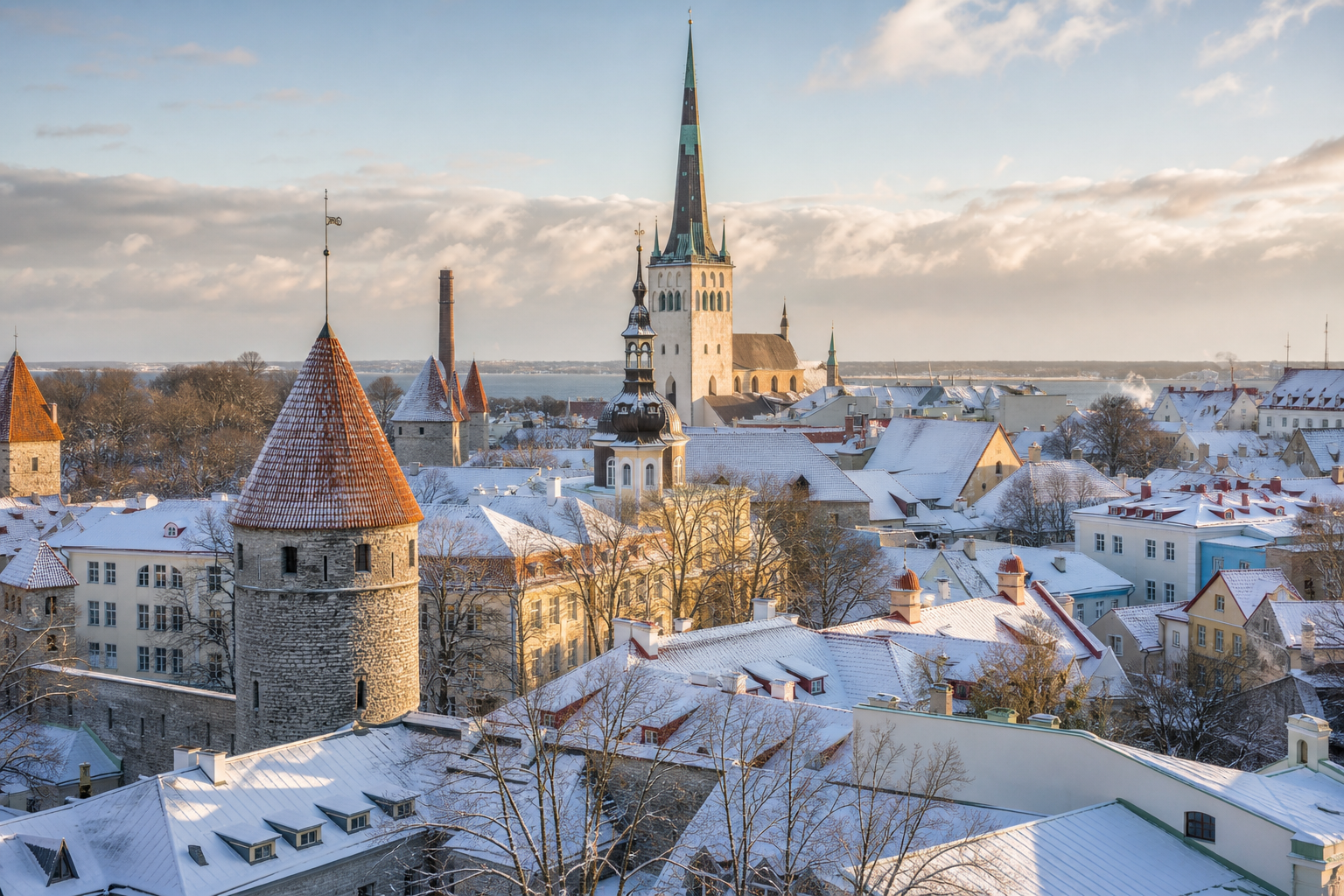
Climb toward Toompea during the brightest part of the day. Use cleared routes and handrails. Patkuli and Kohtuotsa viewpoints may offer snow-covered panoramas, but surfaces and access depend on weather.
Visit Alexander Nevsky Cathedral respectfully if open outside services. Continue around Toompea Castle and quieter lanes, then descend before darkness intensifies.
If conditions are icy, replace the climb with another museum. No view justifies a fall.
A Cosy Café Strategy
Tallinn has historic cafés, contemporary roasters, bookstore cafés and museum cafés. Choose atmosphere and location rather than trying to visit every viral address.
Use café breaks to dry gloves, check routes and reassess the weather. Order enough to justify the table during busy periods, especially around Christmas.
Keep bags controlled in crowded rooms and do not drape wet clothing where it blocks staff or other guests.
Day One Evening
Winter darkness makes Tallinn’s illuminated Old Town particularly atmospheric. Walk a short, well-lit route before dinner, watching for black ice. Avoid poorly cleared shortcuts.
Evening options include opera, theatre, concerts, pubs, restaurants and spas. Check official programmes and book popular performances.
For casino entertainment, consult our Tallinn casino travel guide. Carry accepted identification, verify current rules and set both money and time limits before entering. Alcohol and fatigue impair judgement.
Day Two Morning: Kadriorg and Kumu
Take public transport to Kadriorg, validating the current ticket. The park can be beautiful under snow, but paths may be icy and fountains dormant. Walk only cleared routes.
Make Kumu Art Museum the main destination. Its galleries cover Estonian art across historical and contemporary periods, making it ideal for a long winter morning. Allow two to three hours.
Kadriorg Palace provides an alternative focus when open. Confirm museum days, as schedules differ and holidays create exceptions.
Day Two Afternoon: Kalamaja
Travel to Balti Jaam and explore the market before moving into Telliskivi. Indoor food counters, design shops and galleries make the area practical in poor weather.
Fotografiska Tallinn offers rotating exhibitions and a substantial indoor visit. Telliskivi’s outdoor art and industrial spaces remain interesting, but keep walks short in extreme cold.
Kalamaja’s wooden streets are residential. Clear snow and ice can fall from roofs, so observe warning tape and avoid standing directly under eaves.
Seaplane Harbour for a Stormy Day
The Seaplane Harbour is one of Tallinn’s strongest bad-weather attractions. Its vast hangars contain ships, aircraft and a historic submarine. Families and technology enthusiasts can spend several hours.
Bus routes reduce exposed walking. Check the current service and final museum admission. Access inside vessels may involve stairs and narrow spaces.
Noblessner’s waterfront is nearby, but strong wind can make the promenade uncomfortable. Save it for calmer conditions.
Sauna and Spa Etiquette
A sauna or spa can be the perfect winter evening. Facilities differ: some are mixed and require swimwear, others separate users or offer private booking. Read the venue’s rules before arrival.
Shower first, sit on a towel when required and keep conversation quiet. Hydrate and limit alcohol. People with health concerns should seek appropriate advice before extreme heat and cold exposure.
Never enter the sea or an ice hole without an organised, supervised setup and local guidance. Cold-water shock is dangerous.
Outdoor Winter Activities
When snow conditions permit, Tallinn offers sledging, skating and cross-country skiing in locations such as Nõmme and other parks. Equipment rental and track status change with weather.
Use official facilities, wear a helmet where appropriate and follow local instructions. Clean-looking snow beside roads may contain grit or debris.
These activities require time and transport. Add them to a longer stay rather than squeezing them between Old Town museums.
Winter Food and Drink
Seasonal menus may feature game, root vegetables, preserves and rich desserts. Christmas periods bring mulled drinks and market foods, but quality and prices vary.
Alternate alcohol with water and eat before a long evening. Warm alcoholic drinks can create a false sense of heat while impairing judgement outdoors.
Book a special restaurant, then balance the budget with market lunch and bakery breakfast. Verify current menus directly.
Photography in Snow and Darkness
Carry a spare battery or power bank because cold drains devices. Keep the phone secure rather than using it continuously on slippery streets.
Blue hour arrives early and produces excellent skyline images from safe viewpoints. Use handrails and remain behind barriers. A small lens cloth removes melting snow.
Ask permission before photographing people and avoid bright flashes during services or performances.
A Flexible Two-Day Winter Plan
On day one, walk the Lower Old Town, visit a history museum, have a long lunch and climb Toompea only if paths are safe. Reserve dinner or a performance for the evening.
On day two, spend the morning at Kumu and Kadriorg, then choose Telliskivi, Fotografiska or the Seaplane Harbour according to weather. Finish with a sauna, spa or quiet restaurant.
Keep one indoor alternative for every outdoor block. That flexibility prevents weather from turning the trip into disappointment.
Final Winter Checklist
Check forecasts, daylight, attraction hours and transport disruptions. Pack layers, waterproof footwear and a reflector. Download maps and tickets, carry a payment backup and leave extra time for every transfer.
Tallinn’s winter appeal comes from contrast: cold stone streets and warm cafés, early darkness and bright cultural life, medieval walls and contemporary galleries. Prepare seriously for the weather, then let snow and changing light become part of the experience rather than an obstacle.
Comments