
Bucharest is a city of startling contrasts. Belle Époque mansions stand beside concrete apartment blocks, Orthodox churches hide behind vast government buildings, and fashionable coffee shops occupy streets marked by revolution and rapid change. Romania’s capital can feel chaotic at first, but its energy, architecture, parks and generous food reward travellers who look beyond the obvious landmarks.
Two days cover the central highlights; three or four allow time for museums, northern parks and slower neighbourhood exploration. This Bucharest travel guide brings together the essential sights, practical transport advice and local experiences for a first visit.
Why Visit Bucharest?
Bucharest offers an unusually visible mixture of historical periods. The city once promoted as “Little Paris” retains ornate French-influenced buildings, while royal, communist and post-1989 layers compete for attention. Restoration is uneven, producing streets where elegant facades, neglected houses and ambitious new spaces stand side by side.
Palace of Parliament
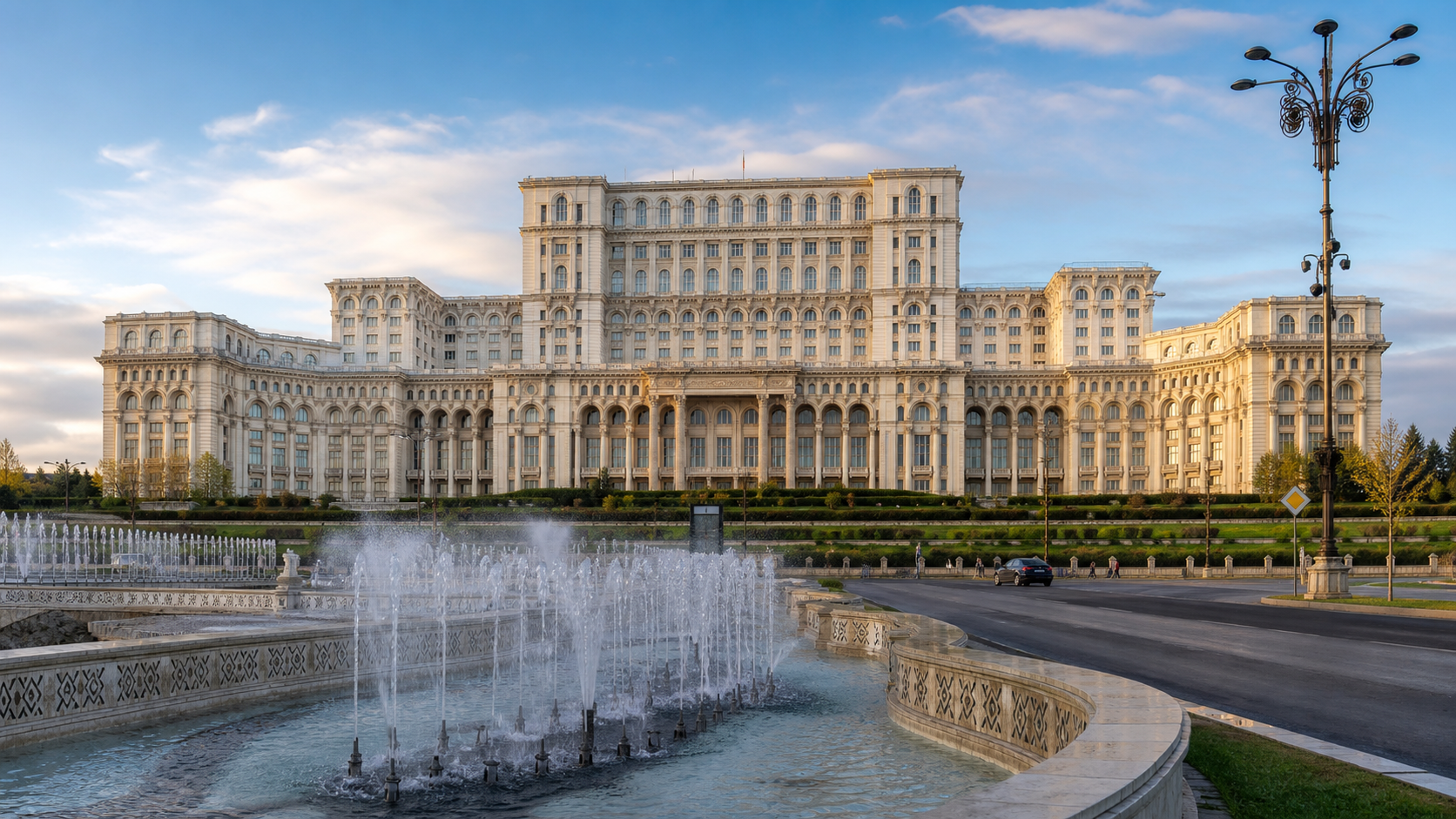
The Palace of Parliament dominates Bucharest physically and historically. Commissioned by communist dictator Nicolae Ceausescu during the 1980s, the monumental complex required the demolition of a large part of the old Uranus district. Today it houses Romania’s Parliament and remains an uneasy symbol of authoritarian ambition, human cost and extraordinary craftsmanship.
The interior is accessible only through organised tours. Reserve through official channels, bring the required original identification and arrive early for security screening. Routes can change when parliamentary business or events restrict rooms. The scale is difficult to understand from outside, but a tour reveals enormous halls, marble staircases, chandeliers and locally sourced materials.
Bucharest Old Town
The Lipscani district is the historic commercial heart. Its lanes contain restored banks, churches, passages, restaurants and bars. During the day, architectural details and courtyards are easier to appreciate; at night, parts of the district become a loud entertainment zone.
Stavropoleos Monastery is its most beautiful small landmark. The eighteenth-century Orthodox church has carved stone, frescoes and a peaceful cloister. Dress respectfully, keep voices low and avoid interrupting services. Nearby, the National History Museum of Romania occupies the former Postal Services Palace, although renovation can limit galleries.
Walk through Pasajul Macca-Vilacrosse, a covered arcade with coloured glass, then look for the imposing CEC Palace on Calea Victoriei. Manuc’s Inn preserves the atmosphere of a historic caravanserai courtyard, even though it now operates as a restaurant and hotel.
Calea Victoriei
Calea Victoriei is Bucharest’s essential architectural walk. The avenue connects Old Town with Revolution Square and the northern centre, passing palaces, hotels, museums and fashionable shops. Some sections become more pedestrian-friendly on selected weekends, but check current traffic arrangements.
Begin near the CEC Palace and continue past elegant nineteenth-century facades. Look upward: balconies, domes and sculpted decoration explain the city’s “Little Paris” reputation.
Revolution Square and the Romanian Athenaeum
Revolution Square was a central stage of the December 1989 uprising that ended Ceausescu’s rule. The former Communist Party headquarters, Royal Palace, university library and Memorial of Rebirth surround a space whose meaning is easier to grasp with historical context. Guided walks can explain the sequence of events and the continuing debates about the revolution.
The former Royal Palace houses the National Museum of Art of Romania. Its collections cover Romanian medieval and modern art as well as European works. Several galleries require substantial time, so select according to your interests and verify which wings are open.
Just north stands the Romanian Athenaeum, an elegant domed concert hall and national cultural symbol. If no performance fits your schedule, check whether short daytime visits are available. The ornate interior and circular historical fresco make entry worthwhile, but concerts by the George Enescu Philharmonic provide the fullest experience.
Parks and Garden Escapes
Cismigiu Garden is the easiest central green refuge. Paths circle a lake beneath mature trees, with benches and seasonal boats.
King Michael I Park, still widely known as Herastrau, surrounds a large lake in northern Bucharest. Walking and cycling paths, restaurants and boat services make it popular in warm weather. The Village Museum occupies a lakeside section and displays traditional houses, churches, workshops and farm buildings moved from regions across Romania.
Village Museum
The Dimitrie Gusti National Village Museum is one of Bucharest’s best cultural attractions. Its open-air collection demonstrates Romania’s regional building traditions through wooden churches, thatched homes, windmills and decorated farmsteads. The lakeside setting makes the visit enjoyable even for travellers who rarely choose ethnographic museums.
Allow at least two hours and wear comfortable shoes. Some interiors open only at specific times, and events can affect access. Explanatory material varies, so an audio guide or guided visit adds depth. Treat historic structures carefully and follow barriers rather than stepping onto porches for photographs.
Communist History and Residential Architecture
The Museum of Communism in the Old Town and specialised walking tours introduce everyday life, propaganda and repression during the socialist period. The former Ceausescu residence, known as Primaverii Palace, provides a contrasting view of the ruling family’s private luxury. Advance booking and identification may be required.
For older residential Bucharest, walk through Cotroceni, Armenian Quarter or streets around Gradina Icoanei and Ioanid Park. Villas combine Neo-Romanian, Art Nouveau, Modernist and eclectic designs. These remain residential areas, so admire buildings without entering private courtyards or disturbing residents.
Markets and Contemporary Neighbourhoods
Obor Market is one of the city’s largest food markets and a lively place to see everyday commerce. Produce, cheese, meat, pickles, bread and household items fill indoor and outdoor sections. Busy grill stands nearby are known for mici, Romania’s skinless grilled sausages.
Go during daylight, watch belongings and ask before photographing vendors. For contemporary Bucharest, explore Piata Amzei, Dorobanti and Floreasca, where cafés and restaurants occupy leafy streets.
What to Eat in Bucharest
Romanian food is hearty, seasonal and influenced by Balkan, Ottoman, Hungarian, Slavic and Central European traditions. Ciorba refers to sour soups made in many varieties, often with vegetables, beans, meatballs or tripe. Sarmale combines cabbage leaves with a meat-and-rice filling, usually served with polenta and sour cream.
Mici are smoky grilled rolls seasoned with garlic and spices. Other classics include mamaliga polenta, slow-cooked beans, stuffed peppers, eggplant salad and zacusca vegetable spread. Portions can be large, so sharing starters is sensible.
For dessert, try papanasi—fried or boiled cheese doughnuts served with sour cream and jam—or cozonac sweet bread during holidays. Romanian wines deserve more attention than they receive internationally; ask about Feteasca Neagra reds or aromatic local whites. Tuica and palinca fruit spirits are powerful and should be sipped slowly.
Traditional restaurants in the Old Town can be atmospheric but tourist-oriented. Look beyond the busiest lanes and compare recent menus. Modern Romanian chefs increasingly reinterpret regional ingredients, while international and vegetarian options are widespread. Tipping around ten percent is customary when service is good; check whether a service charge has already been added.
Getting Around Bucharest
Central sights are walkable, but Bucharest is large. Metro trains are fast for longer journeys, while STB trams, buses and trolleybuses provide broader coverage. Contactless bank-card payment is available across many services, but rules for transfers and validation differ; consult current official instructions.
The metro and surface network use separate operational systems, so confirm whether a chosen ticket covers both. Keep proof of payment and validate as required. Traffic can be heavy, making rail journeys more predictable than buses at peak hours.
Henri Coanda International Airport lies north of the city. Trains connect the airport with Gara de Nord, and buses, taxis and ride services provide alternatives. Use the official taxi ordering system or a reputable app, and avoid unsolicited drivers in the arrivals hall.
Best Time to Visit
April through June and September through October offer comfortable temperatures and green parks. July and August can be extremely hot, with limited shade around the palace and broad boulevards. Air-conditioned museums and long evening walks help manage summer heat.
Winter is cold and can be grey or snowy, but museums and substantial food suit the season. Pack layers and an umbrella.
Where to Stay
Areas around Universitate and Calea Victoriei give first-time visitors easy access to central sights, metro stations and restaurants. Old Town is convenient for nightlife but can remain noisy until early morning. Piata Romana and Piata Amzei offer a more balanced central base with cafés and transport.
Cotroceni is quieter and architecturally attractive, while northern neighbourhoods suit travellers prioritising parks or business districts. Check recent reviews for street noise, air conditioning and building access. In older properties, verify lift availability and any seismic-risk information.
A Three-Day Bucharest Itinerary
On day one, tour the Palace of Parliament, walk through the Civic Centre and explore Old Town, Stavropoleos and Calea Victoriei. Finish with Romanian food beyond the busiest nightlife streets.
On day two, visit Revolution Square, the National Museum of Art and Romanian Athenaeum. Walk through Cismigiu Garden, then explore Piata Amzei or the Armenian Quarter for coffee and dinner.
On day three, take the metro north for King Michael I Park, the Village Museum and Arch of Triumph. Alternatively, choose communist-history sites and Cotroceni. With an additional day, consider a train trip to Brasov or a carefully planned excursion to royal Peles Castle.
Practical Tips
Romania uses the leu, and cards are widely accepted, though cash remains helpful at markets. Use bank-operated cash machines and decline unnecessary currency conversion. English is common among younger residents and tourism workers.
Cross roads carefully, even at marked crossings, and watch for uneven pavements. Reserve Parliament, concert and palace visits ahead. Bucharest becomes most rewarding when its contradictions are allowed to coexist: grandeur and damage, difficult history and creative reinvention, busy boulevards and unexpectedly tranquil gardens.
Comments