
Tallinn is compact enough for a weekend yet varied enough to reward careful planning. Within three days you can walk medieval lanes, explore former industrial districts, visit major art and maritime museums, eat contemporary Estonian food and reach the Baltic shoreline. The best itinerary moves beyond the Old Town while preserving time to enjoy its towers and courtyards without rushing.
This guide combines first-time highlights with practical transport and seasonal advice. Travellers considering evening entertainment should also read our Tallinn casino city-break guide, which explains how a casino visit can fit into a broader trip and why any gaming budget must remain optional.
Before You Arrive
Tallinn Airport lies close to the city centre. Public transport, taxi and app-based services connect the terminal with central districts, but routes and works can change. Consult official Tallinn transport information shortly before arrival and validate the correct ticket.
Ferries connect Tallinn with Helsinki and Stockholm, while buses and trains serve regional destinations. Ferry terminals differ, so check the operator, terminal letter and walking route rather than entering “Tallinn port” into a map.
Stay in the Old Town for medieval atmosphere, the city centre for practical transport, Kalamaja for creative neighbourhood life or near the port for early sailings. Cobblestones, stairs and nightlife noise make the exact building more important than straight-line distance.
Friday Evening: Old Town Orientation
Begin at Viru Gate and walk into the Lower Town. The gate towers offer an immediate sense of Tallinn’s defensive past, while nearby streets introduce the mix of medieval fabric and modern visitor businesses.
Continue toward Town Hall Square, then explore a few lanes around Pikk, Lai and St Catherine’s Passage. Do not try to see every church or museum after travel. The purpose is to understand the layout and identify where you want to return in daylight.
Choose dinner on a side street after comparing menus. Tallinn’s food scene ranges from traditional Estonian cooking to Nordic-influenced restaurants and casual international options. Reserve a celebrated restaurant, but avoid building the first night around a long tasting menu after a delayed flight.
Day One Morning: Lower Old Town
Start early at Town Hall Square before day-trip groups arrive. Look at the Gothic Town Hall exterior, medieval merchant houses and narrow streets shaped by the city’s Hanseatic history.
Choose one museum that explains daily life or urban history. Tallinn City Life Museum, the Great Guild Hall and several defensive towers provide different perspectives. Opening days and ticket combinations vary, so use official sites.
Walk part of the preserved city wall where access is open. Uneven stairs and confined passages may not suit every visitor. Do not climb barriers or assume every tower is included in the same ticket.
Day One Lunch: Estonian Flavours
For lunch, look for black bread, Baltic fish, seasonal mushrooms, root vegetables, smoked products or modern interpretations of Estonian dishes. Restaurant menus change with the season, which is a strength rather than an inconvenience.
Ask about portion sizes and allergens. Dairy, rye, fish and nuts can appear in sauces or garnishes. A concise lunch leaves energy for Toompea’s slopes.
Avoid restaurants that rely entirely on medieval costumes unless the themed experience is what you want. Contemporary Tallinn often provides a more interesting connection to local food.
Day One Afternoon: Toompea
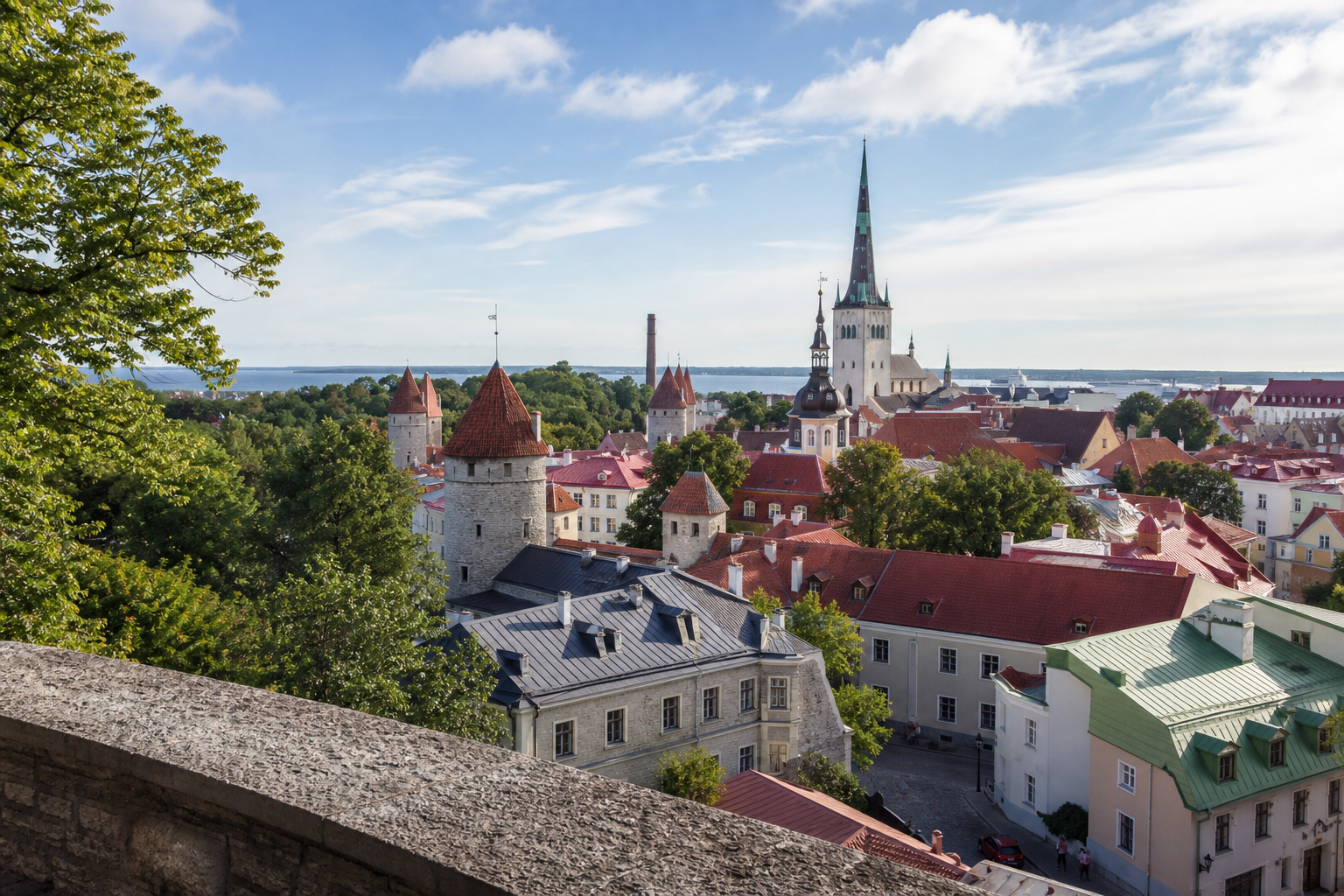
Climb to Upper Town, known as Toompea. Visit viewpoints such as Kohtuotsa and Patkuli when open, but expect crowds at peak times. The skyline of red roofs, church towers and modern districts explains Tallinn’s layered geography.
See the exterior of Toompea Castle and enter Alexander Nevsky Cathedral respectfully when access permits. This is an active Orthodox cathedral, not simply a photo stop. Silence phones, dress appropriately and avoid interrupting services.
Continue through quieter lanes and descend by another route. The Old Town’s cobblestones become slippery in rain, ice and snow, so supportive footwear matters in every season.
Day One Evening: Tallinn After Dark
Begin with dinner or a concert, then decide whether nightlife suits your energy. Tallinn offers cocktail bars, pubs, live music and formal performances. Check official event listings and buy important tickets from authorised sellers.
If you plan to visit a casino, carry accepted identification and verify current age, dress and entry requirements. Our Tallinn casino travel guide covers the evening in detail. Set a fixed time and spending limit before entering, and never treat possible winnings as travel funds.
Confirm a safe route home. Winter evenings become dark early, while weekend nightlife can make Old Town lanes busier and louder.
Day Two Morning: Kalamaja and Telliskivi
Walk through or around Balti Jaam Market toward Kalamaja. This district is known for wooden houses, cafés and creative businesses. It remains residential, so admire architecture without treating doorways and courtyards as public sets.
Telliskivi Creative City occupies a former industrial area near the railway station. Galleries, design shops, street art, restaurants and event spaces make it easy to spend several hours. Check which venues open early; the district often becomes livelier later in the day.
Fotografiska Tallinn suits photography and contemporary-culture travellers. Exhibitions rotate, and rooftop access or restaurant hours should be verified separately.
Day Two Lunch: Balti Jaam or Telliskivi
Balti Jaam Market combines produce, food counters and retail. It can provide a casual lunch, but compare stalls and observe where local customers queue. Keep bags secure in crowded aisles.
Alternatively, reserve a restaurant in Telliskivi or Kalamaja. The district’s popularity means weekend tables fill quickly. One planned meal is enough; leave space for the waterfront.
Markets have individual vendor schedules. Do not assume every counter follows the building’s full opening hours.
Day Two Afternoon: Noblessner and the Seaplane Harbour
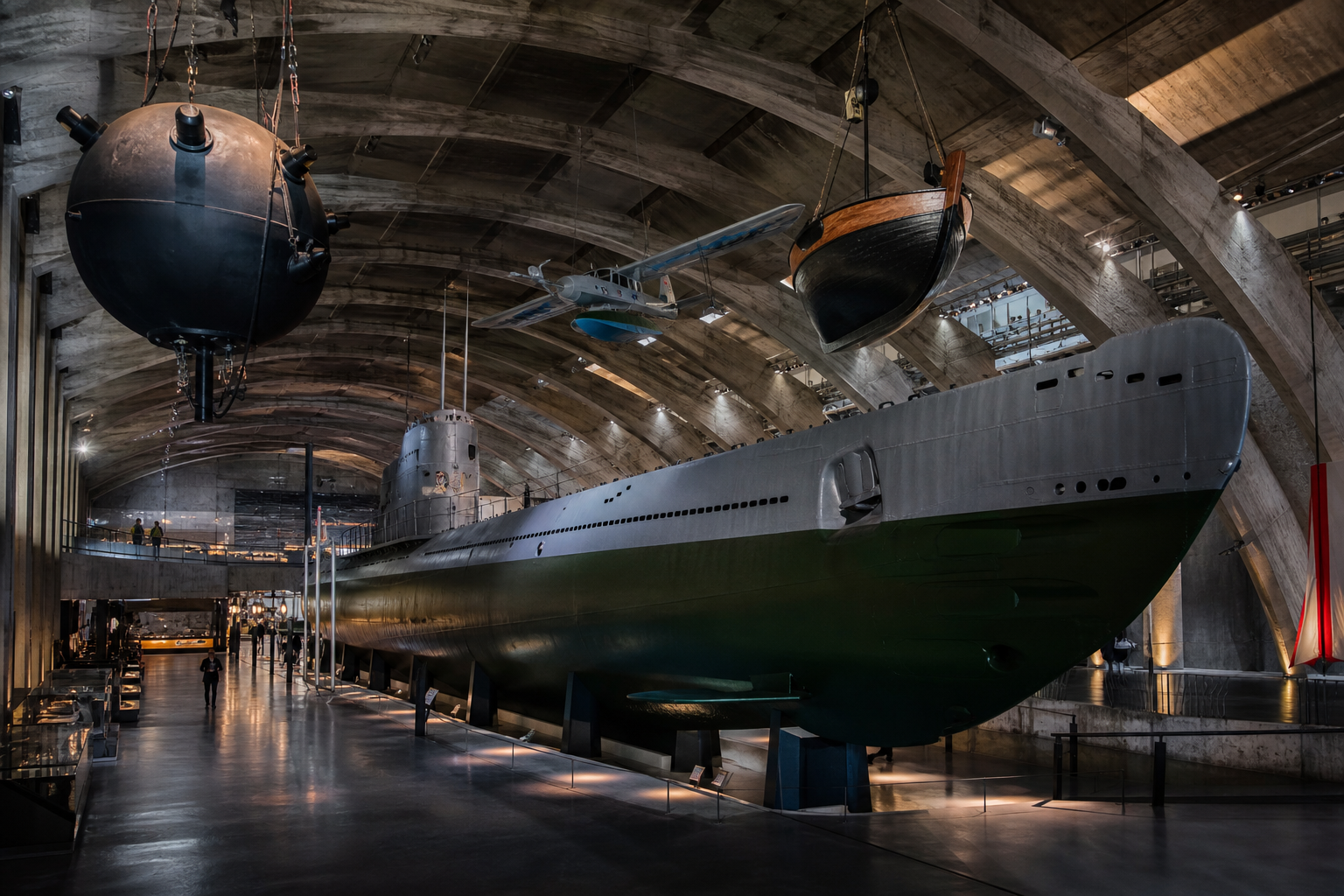
Continue toward the Seaplane Harbour. The Estonian Maritime Museum’s hangars contain ships, maritime exhibits and a historic submarine. Allow at least two hours, especially with children or a strong interest in technology.
Nearby Noblessner has transformed former industrial waterfront land into a district of promenades, galleries, restaurants and cultural venues. Walk the public shoreline and look back toward the city.
Wind beside Tallinn Bay can feel much colder than conditions in sheltered Old Town streets. Bring an extra layer even in mild seasons. In winter, watch for ice.
Day Two Evening: Contemporary Tallinn
Stay in Kalamaja or Noblessner for dinner, or return to the centre for a performance. This is a good evening for modern Estonian cooking because you have already explored the historic core.
Reserve important restaurants and read cancellation terms. Tallinn’s strongest dining rooms can be small. Moderate alcohol, drink water and remember that icy pavements make careless late-night walking risky.
For a quiet alternative, use a sauna or spa with clear visitor instructions. Respect bathing customs and check whether facilities are mixed, private or require swimwear.
Day Three Morning: Kadriorg
Take a tram toward Kadriorg, a district of wooden villas, museums and a historic park. Routes can change, so confirm the current line. Contactless payment may be available on vehicles, but visitors must still tap or validate correctly.
Walk through Kadriorg Park and see the Baroque palace exterior. The Kadriorg Art Museum focuses on foreign art, while Kumu presents Estonian art across historic and contemporary periods. Choose according to interest rather than attempting every museum.
Allow at least two hours for Kumu. The building and hillside setting are part of the experience. Museum opening days can differ, particularly on Mondays and holidays.
Day Three Lunch and Pirita Option
Have lunch in Kadriorg or continue toward the coast. In pleasant weather, the route toward the Russalka Memorial and Pirita promenade offers sea views and a different perspective on the Tallinn skyline.
Pirita works best with extra time and suitable weather. Strong wind, rain or winter darkness may make a museum afternoon more rewarding. Cycling is attractive in warmer months, but use designated routes and reputable rentals.
If your departure is early, skip Pirita and return directly to the centre. A relaxed final lunch is better than an anxious airport journey.
Is the Tallinn Card Worth It?
The Tallinn Card includes admission to many museums and public transport for its validity period. It can be good value when the itinerary contains several paid museums, but not for travellers who mainly walk and explore free neighbourhoods.
List your intended attractions, check current individual prices and compare the card duration. Confirm whether special tours, temporary exhibitions or transport to the airport are included.
Do not let a city card dictate the weekend. Visiting fewer museums properly often provides better value than racing through many entrances.
Seasonal Planning
Summer offers long daylight, outdoor dining and cruise crowds. Start Old Town sightseeing early and reserve popular restaurants. Spring and autumn bring changeable weather and quieter streets.
Winter provides snow, Christmas atmosphere and cosy cafés, but daylight is short and surfaces can be icy. Wear layered clothing, waterproof footwear and a visible reflector in dark conditions. Build warm indoor stops into each half-day.
Check weather and opening information immediately before travel. Baltic conditions can change quickly.
Practical Etiquette and Safety
Estonia uses the euro, and card payments are widespread. Keep a payment backup and some flexibility for small purchases. English is commonly understood in tourism, but simple Estonian greetings are appreciated.
Tallinn is walkable, yet cobblestones and hills affect accessibility. Ask hotels and attractions about step-free routes. Keep valuables controlled in crowded areas and use licensed or official transport.
Three days reveal Tallinn’s most compelling contrast: a UNESCO-listed medieval core beside creative districts, contemporary museums and a working Baltic waterfront. Group each day geographically, reserve only what matters and allow the city’s cafés, views and changing light to set the pace.
Comments