
Barcelona is an excellent food-weekend destination, but the strongest trip goes beyond checking famous dishes from a list. Markets have distinct opening rhythms, tapas bars specialise in different products and many memorable restaurants sit outside the most photographed streets. A good plan combines reservations with spontaneous counters and leaves enough appetite for each neighbourhood.
This two-day guide links food with architecture, markets and the waterfront. Travellers planning an evening around Port Olímpic can consult our Barcelona casino and city guide for marina logistics, casino entry expectations and responsible entertainment advice.
Plan Around Meals, Not Attractions
Choose one major breakfast, lunch and dinner each day, then add snacks only when genuinely hungry. Barcelona’s late dining culture can challenge visitors accustomed to early meals. Adjust gradually instead of eating two dinners.
Reserve a special restaurant and any essential food tour. Leave market counters, bakeries and vermouth bars flexible. Confirm Sunday and Monday closing patterns, because independent businesses often keep different schedules from attractions.
Tell restaurants about allergies when booking. Catalan cooking uses nuts, shellfish, gluten, dairy and cured meats in ways that may not be obvious. Severe allergies require direct confirmation rather than assumptions based on menu icons.
Where Food Lovers Should Stay
Sant Antoni provides markets, bakeries and bars with easy access to the centre. Eixample offers the widest range of restaurants and transport. Gràcia suits travellers who prefer neighbourhood squares and independent dining, while El Born combines atmosphere with busy nightlife.
Poblenou is useful for a calmer stay near the beach and Rambla del Poblenou. The Gothic Quarter is convenient but quality varies sharply in heavily touristed lanes.
Read recent noise and breakfast reviews. An apartment kitchen is useful only when the rental is legal and market days align with the stay.
Friday Night: Vermouth and Small Plates
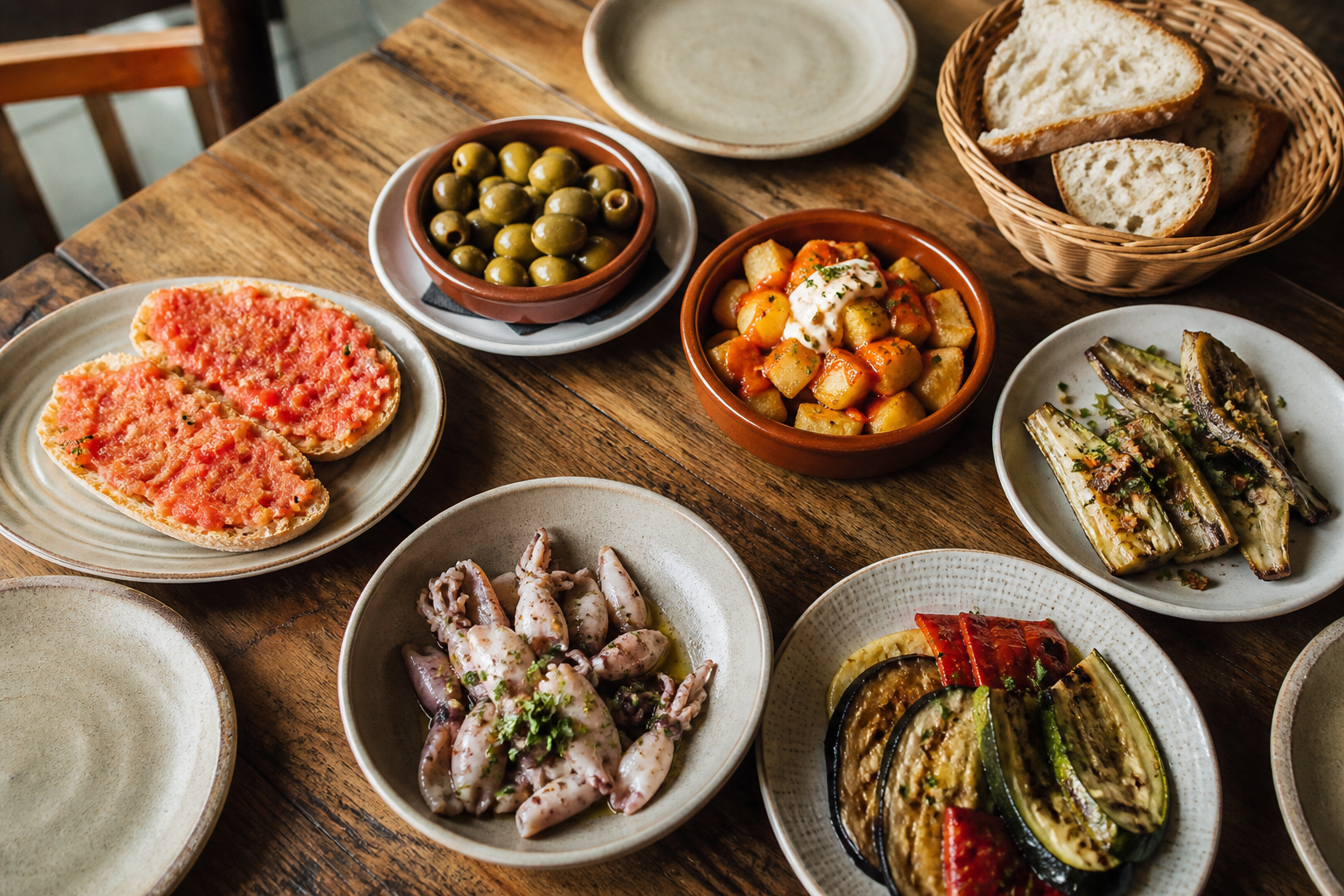
Begin with a short vermouth stop in Sant Antoni, Poble-sec or Gràcia. Vermut is usually accompanied by olives, conserves or simple snacks. Ask what is included and pace alcohol with water.
Move to a tapas bar with a focused menu. Order two or three dishes, then decide whether to continue. Patatas bravas vary by venue, while croquetas, anchovies, grilled vegetables and seasonal mushrooms reveal different strengths.
Avoid a large restaurant crawl after travel. One excellent bar and a neighbourhood walk give a clearer first impression than five rushed stops.
Saturday Morning: Bakery and Market
Start at a respected neighbourhood bakery for pa de pagès, pastries or a simple sandwich. Barcelona’s contemporary baking scene sits alongside traditional shops, and queues can form at popular addresses.
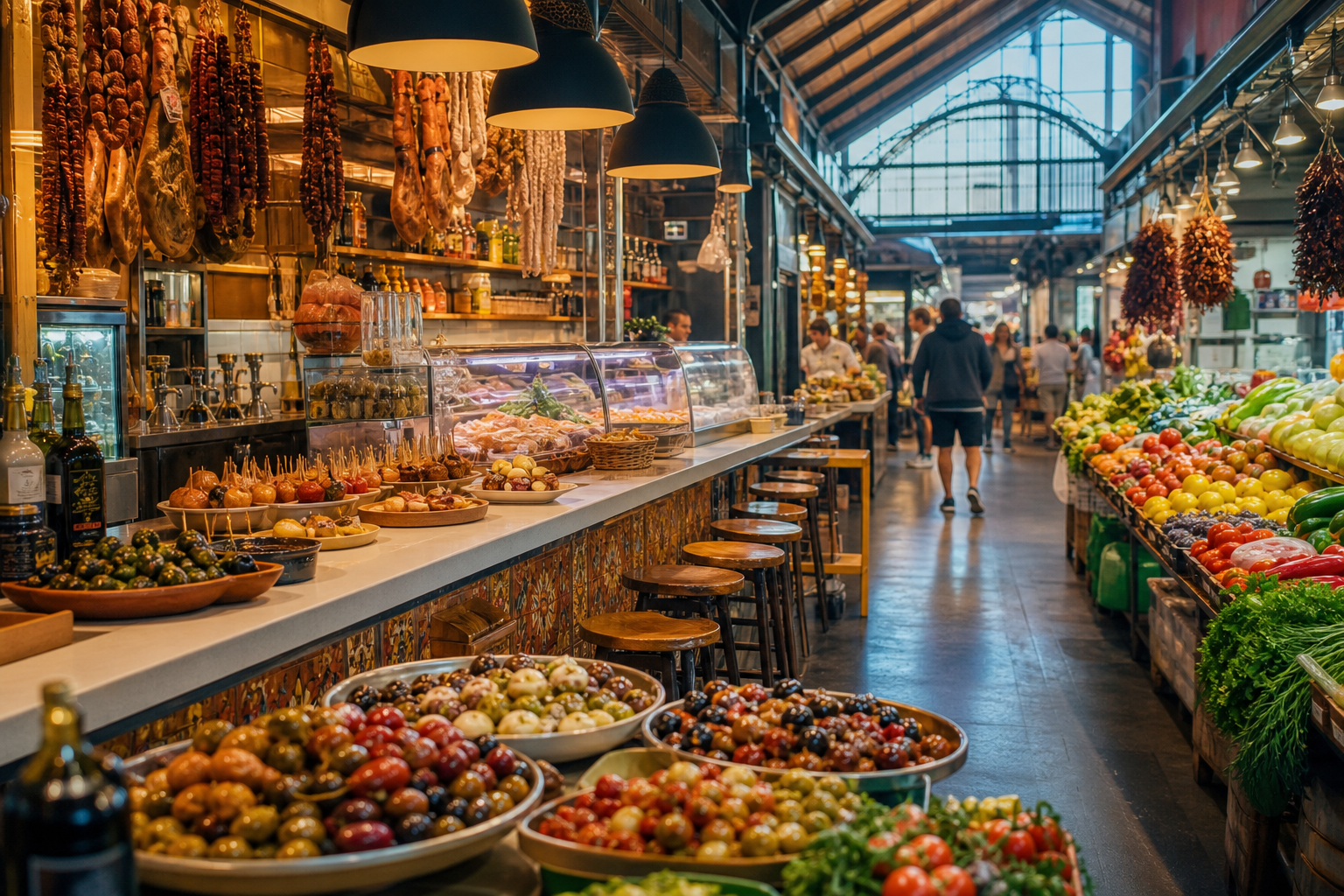
Continue to a market while produce stalls are active. La Boqueria is visually dramatic and central, but its busiest aisles can feel designed for visitors. Santa Caterina, Sant Antoni, Ninot and neighbourhood markets provide alternatives depending on location and day.
Markets are workplaces. Ask before photographing vendors, do not block customers and avoid touching produce without permission. Check official market hours because individual stalls may differ.
What to Taste at a Barcelona Market
Look for seasonal fruit, tomatoes, mushrooms, salted cod, olives, cheeses, cured meats and conserves. Jamón quality and price vary by origin and ageing; ask for an amount and cost before ordering.
Ready-to-eat counters can provide breakfast or lunch, but not every market permits eating throughout the aisles. Follow posted rules. A small tasting is better than buying more perishable food than a hotel can store safely.
If carrying food home, check airline and destination-country restrictions. Fresh meat and produce may be prohibited even within seemingly simple itineraries.
Saturday Lunch: Catalan Classics
Reserve lunch at a restaurant specialising in Catalan cooking. Look for dishes such as esqueixada, escalivada, botifarra, suquet, seasonal calçots or crema catalana when appropriate. Menus change with season, and not every classic belongs on every table.
Ask whether rice dishes require two diners and whether the listed price is per person. Pa amb tomàquet may be charged separately. Clear questions prevent surprise without diminishing the meal.
Lunch is a central experience, so allow two hours. Do not book a timed attraction immediately afterward.
Saturday Afternoon: Food and Modernisme
Walk through Eixample after lunch. Passeig de Gràcia and the surrounding Golden Square combine Modernista façades with chocolate shops, cafés and gourmet stores.
Choose Casa Batlló, La Pedrera or another interior only if architecture is a priority. Timed tickets protect the afternoon from queues, but a free façade walk leaves more room for cafés.
Stop for chocolate, coffee or an artisan product rather than a full second meal. Check packaging and storage if buying edible gifts.
Saturday Evening: Poble-sec or the Waterfront
Poble-sec’s streets around Carrer de Blai are known for pintxos and casual bars, though quality varies. Inspect turnover and order in rounds. Keep track of toothpicks or plates if the venue uses them for billing.
Alternatively, dine near the waterfront and walk toward Port Olímpic. Seafood restaurants with views can be expensive, so compare menus and recent reviews. Never assume proximity to the sea guarantees locally sourced fish.
If the evening includes Casino Barcelona, use our Barcelona casino and marina guide. Verify identification and dress rules, set a fixed entertainment limit and protect the next day’s food budget.
Sunday Morning: Churros, Coffee or Brunch
Choose between traditional and contemporary breakfast. Churros with chocolate can be enjoyable, but a large portion before lunch may overwhelm the day. A café con leche and pastry create a lighter start.
Barcelona’s brunch scene is popular, especially in Eixample and Poblenou. Reserve well-known places or arrive early. Brunch is not uniquely Catalan, so decide whether atmosphere or local tradition matters more.
Walk afterward through the Gothic Quarter or along the beach. Movement between meals is part of the food itinerary.
Sunday in El Born
El Born combines medieval streets, bakeries, wine bars and cultural sites. Visit Santa Maria del Mar, then explore lanes toward the market building and Picasso Museum area.
Sunday opening varies widely. Confirm shops and markets rather than arriving with a list copied from a weekday guide. Churches may restrict visits during services.
For an aperitif, choose a vermouth bar or bodega and order a small plate. Keep bags secure in crowded rooms and never leave a phone on the table edge.
Sunday Lunch: Seafood or Rice
Use the final lunch for seafood or rice, ideally with a reservation. Barceloneta has historic seafood associations but also many visitor-focused restaurants. Look beyond staff invitations and read the posted menu carefully.
Paella is not originally a Barcelona dish, yet good rice cooking exists across the city. Ask about preparation time and minimum diners. Fideuà offers a noodle-based alternative, while grilled fish may better showcase the day’s product.
Choose quality over quantity. A shared starter, rice and dessert usually create a complete meal without excessive ordering.
Coffee, Sweets and Edible Souvenirs
Barcelona has speciality coffee roasters alongside traditional cafés. Taste according to preference rather than assuming newer is always better. For sweets, explore crema catalana, xuixo, panellets in season or quality chocolate.
Good souvenirs include conserves, chocolate, sealed spices and packaged biscuits. Olive oil and wine add luggage weight and liquid restrictions. Buy from reputable shops, retain receipts and check customs rules.
Avoid purchasing temperature-sensitive foods before a long flight unless you can transport them safely.
How to Choose a Tapas Bar
A short menu, visible turnover and staff who explain portions are positive signs. Crowds can indicate quality, but viral popularity is not a guarantee. Stand-up bars may be authentic and excellent, while formal restaurants may offer more comfort.
Do not expect every tapas dish to be small or cheap. Some are full portions intended for sharing. Order gradually and ask whether bread, water or service carries a charge.
Respect queuing customs and busy staff. Learn simple Catalan or Spanish greetings, then use clear, polite questions.
Food Tours and Cooking Classes
A well-designed food tour can explain neighbourhood history, market culture and regional products. Choose licensed or established guides, small groups and transparent inclusion lists. Avoid tours that promise excessive alcohol or portray residents as scenery.
Cooking classes work best when they teach technique rather than merely assemble pre-prepared ingredients. Ask whether market visits actually operate on the selected day and whether dietary needs can be accommodated.
Leave recovery time after a tour. Booking a tasting menu the same evening can be wasteful.
Budgeting for a Food Weekend
Balance one special restaurant with market breakfast, bakery snacks and set-price lunch menus where available. Move away from major sights for better value, but do not travel across the city solely to save a few euros.
Tap water service practices and charges can differ; ask politely. Carry a refillable bottle for walking and moderate alcohol. Keep essential transport and accommodation funds separate from nightlife spending.
Check current prices directly because old menus circulate online. A restaurant’s own booking page is more reliable than an undated blog photograph.
A Two-Day Food Route
On Saturday, begin at a bakery and market, reserve a Catalan lunch, walk Eixample architecture and spend the evening in Poble-sec or beside the marina. On Sunday, take a light breakfast, explore El Born and finish with seafood or rice near the coast.
Group each day geographically. Constant metro journeys weaken the neighbourhood experience and make reservations stressful. Leave one meal unplanned so a vendor or local recommendation can change the route.
Barcelona’s food culture is not a checklist of paella, sangria and famous markets. It is a daily rhythm of bread, produce, aperitifs, shared plates and long lunches. Follow that rhythm, treat markets and neighbourhoods respectfully, and the weekend will taste far more distinctive than any rushed list of “must-eat” dishes.
Comments