
Amsterdam combines the visual romance of a seventeenth-century canal city with the creative energy of a modern European capital. Narrow houses lean above reflective waterways, bicycles cross compact bridges, and major museums hold works by Rembrandt, Vermeer and Van Gogh. Beyond the famous center, distinct neighborhoods reveal markets, parks and contemporary architecture.
Three days provide a good introduction, but four or five make the experience far less rushed. Museum and Anne Frank House tickets often require advance booking, while the city’s compact map rewards walking by district. Plan a few fixed reservations, learn the rules around bicycles and leave time for an unhurried canal-side afternoon.
Why Visit Amsterdam?
Few cities have such a coherent urban landscape. The UNESCO-listed canal belt is both beautiful and functional, shaped by trade, engineering and ambitious expansion. Historic warehouses and merchants’ homes now contain apartments, galleries and unusual small museums. The changing reflections make even familiar routes look different throughout the day.
Amsterdam also offers exceptional cultural variety within a manageable area. The Museum Quarter brings together Dutch masters, modern art and music. The Jewish Cultural Quarter explores histories that are essential to understanding the city. Noord, Oost and West show how former industrial districts and residential areas continue to evolve.
The Canal Belt
The concentric canals of Herengracht, Keizersgracht and Prinsengracht form Amsterdam’s defining landscape. Walking the western canal belt reveals gabled façades, houseboats, hidden gardens and bridges that frame long water views. Early morning is quietest; evening brings warm window light and lively terraces.
The Nine Streets cross the principal canals with independent shops, cafés and photogenic corners. They are attractive but increasingly busy, so explore adjacent blocks as well. Do not stand in cycle lanes for photographs, and remember that many canal houses remain private homes.
A canal cruise provides valuable perspective on the city’s layout and architecture. Smaller open boats can feel intimate, while covered vessels offer protection in poor weather. Compare routes, commentary, accessibility and sustainability credentials before booking. Evening cruises are atmospheric, but daylight makes architectural details easier to see.
Rijksmuseum and Museumplein
The Rijksmuseum is the country’s central collection of Dutch art and history. Rembrandt’s Night Watch attracts the greatest attention, but galleries also contain Vermeer, Frans Hals, decorative arts, ship models and objects connected to Dutch global trade. The museum increasingly addresses the colonial contexts behind parts of the collection.
Reserve a timed entry and download the official app or choose highlights before arrival. Two to three hours cover a selective visit, while art enthusiasts can spend much longer. The passage beneath the building, gardens and nearby Museumplein create a natural pause between museums.
The Van Gogh Museum presents the artist’s work chronologically alongside letters and pieces by his contemporaries. Tickets are timed and frequently sell out. The Stedelijk Museum focuses on modern and contemporary art and design, offering a strong contrast. Attempting all three major museums in one day is exhausting; choose one or two and return to the district later.
Anne Frank House and Jewish History
The Anne Frank House is one of Amsterdam’s most emotionally significant sites. Visitors move through the building where Anne Frank, her family and four others hid during the Nazi occupation. The rooms are intentionally restrained, allowing diaries, personal stories and the physical space to carry the experience.
Tickets are sold online for specific times and demand is intense. Use only the official website, arrive punctually and expect narrow stairs. Photography restrictions and visitor rules help preserve a reflective environment. Read some historical context beforehand rather than treating the house as a conventional attraction.
Across the center, the Jewish Cultural Quarter includes the Jewish Museum, Portuguese Synagogue, National Holocaust Museum and Hollandsche Schouwburg memorial. Together they provide a broader account of Jewish life before, during and after the occupation. Allow meaningful time and avoid scheduling too many heavy historical sites in immediate succession.
Jordaan and the Western Islands
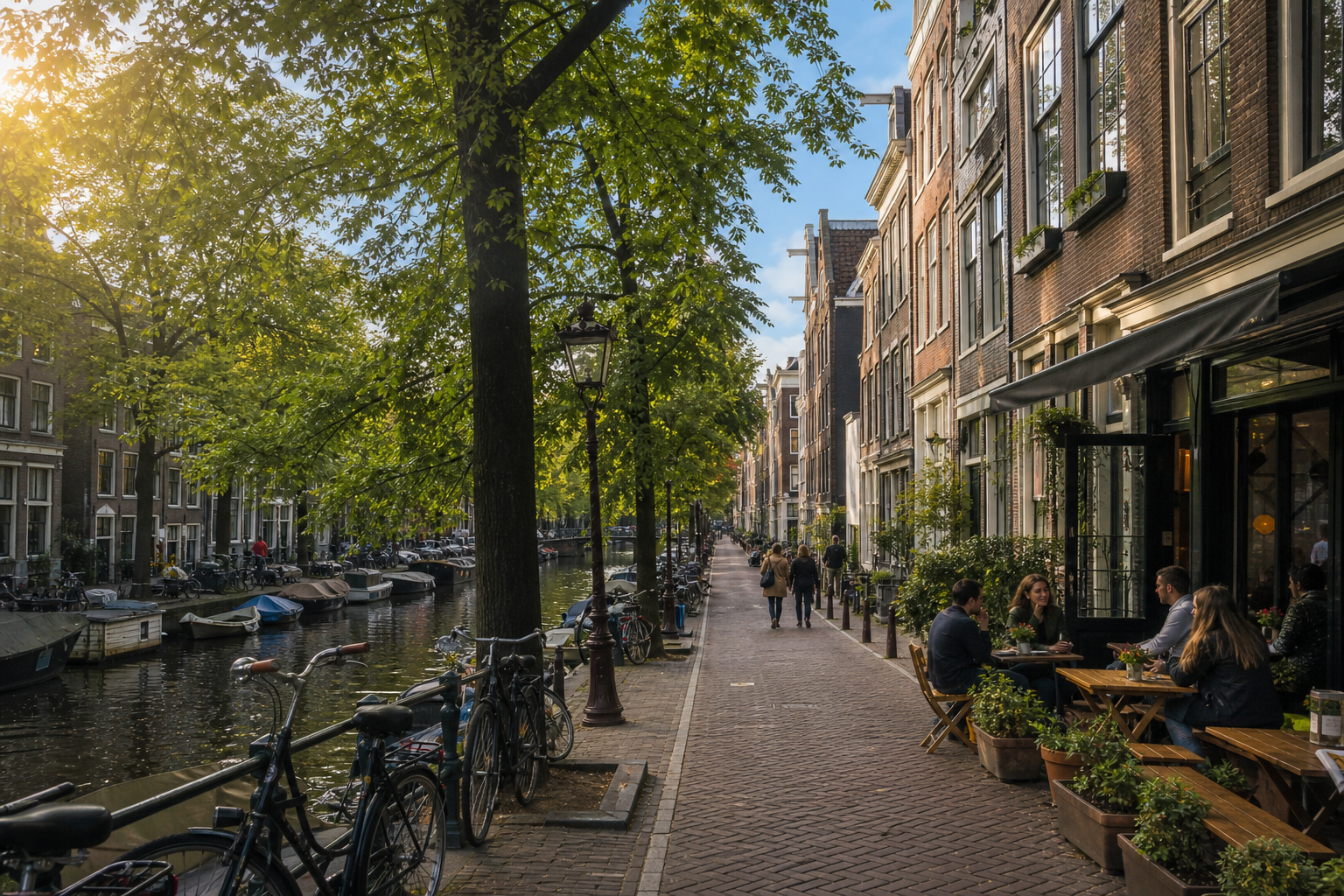
The Jordaan began as a working-class district and is now known for galleries, boutiques, brown cafés and attractive residential lanes. Explore around Noordermarkt, Westerstraat and the smaller canals, then move away from the busiest routes. Saturday markets add food, antiques and neighborhood activity.
The district’s polished image can conceal its history of poverty, labor and protest. Small institutions and local walking tours provide useful context. The nearby Western Islands feel calmer, with former warehouses, drawbridges and water views that evoke the city’s maritime past.
Respect residents by keeping groups small and voices low, particularly at night. Photograph façades from public space, never peer into windows and choose licensed accommodation. Amsterdam is actively trying to reduce the pressure that concentrated tourism places on central neighborhoods.
De Pijp and Oud-Zuid
De Pijp is dense, multicultural and food-focused. Albert Cuypmarkt fills a long street with produce, clothing and snack stalls, while surrounding blocks contain cafés and restaurants from many culinary traditions. Visit during market hours, then walk through nearby Sarphatipark.
Oud-Zuid extends around Museumplein with grand residential streets and elegant architecture. Vondelpark provides the city’s best-known green escape, popular for cycling, picnics and outdoor events. Keep to the appropriate lane and avoid blocking paths when stopping.
Amsterdam Noord
Free passenger ferries behind Centraal Station cross the IJ to Amsterdam Noord. The waterfront combines former shipyards with cultural venues, creative businesses and striking modern buildings. A’DAM Lookout provides a high view, while the EYE Filmmuseum pairs exhibitions and screenings with dramatic architecture.
Farther west, the NDSM wharf is known for industrial scale, street art and events. It is an evolving district rather than an open-air theme park, so check current venue schedules. Noord offers space and contrast after the narrow streets of the center.
Dam Square, Begijnhof and the Old Center
The Begijnhof is a secluded historic courtyard entered from the busy shopping district. It includes old houses and religious buildings, but it remains a residential place where silence and restricted hours should be respected. Nearby, Amsterdam Museum presentations help connect the city’s growth, civic culture and contested histories.
De Wallen is the oldest part of the city and includes Oude Kerk, canals and medieval street patterns as well as the regulated sex-work district. Follow photography prohibitions, never photograph workers, avoid disruptive tours and recognize the neighborhood as a place where people live and work.
Dutch Food and Café Culture
Amsterdam’s food reflects both Dutch traditions and the country’s global connections. Try bitterballen with mustard, aged cheese, herring if it appeals, and freshly made stroopwafels. Brown cafés offer wood-paneled interiors and an informal atmosphere associated with the Dutch idea of gezelligheid.
Indonesian restaurants are an important part of the city’s dining landscape; a rijsttafel presents numerous small dishes and reflects a complex colonial history. Surinamese, Turkish, Moroccan and contemporary Dutch kitchens further broaden the choices. Food halls and markets are convenient for groups with different preferences.
Reserve sought-after restaurants, especially on weekends. Tipping is modest and discretionary because service is included, though rounding up for good service is common. Cannabis coffeeshops are distinct from ordinary cafés; follow age rules, local restrictions and basic caution.
Cycling, Walking and Public Transport
Walking is best in the compact center, but awareness is essential. Red or marked lanes usually belong to bicycles and scooters. Look both ways before crossing, follow signals and never wander into a lane while checking a map. Trams can also approach quietly.
Visitors should rent bicycles only if comfortable in busy urban traffic. Signal turns, use lights, lock the bike properly and park only where permitted. For many first-time travelers, trams, metro and ferries are safer and more relaxing.
GVB operates most city trams, buses, metros and ferries. Check in and out correctly with your chosen ticket or contactless method. Multi-day GVB tickets cover its network but not every regional train or operator, so choose based on actual plans. Direct trains connect Schiphol Airport with Amsterdam Centraal and other city stations.
Best Time to Visit
April and May bring spring color and major crowds, especially around tulip season and King’s Day. June and September often balance long daylight with manageable temperatures. July and August are busy and accommodation prices rise, though outdoor life is at its liveliest.
Autumn offers golden trees and atmospheric canals but increasingly wet, windy weather. Winter days are short and cold, yet museums, cafés and seasonal lights suit the city well. Rain is possible year-round, so carry a compact waterproof layer rather than relying on an umbrella in strong wind.
Where to Stay
The canal belt places you near major sights but commands high prices. Jordaan is picturesque, though street noise and steep historic stairs vary by property. De Pijp offers restaurants and good tram connections, while Oud-West balances local activity with access to Vondelpark.
Amsterdam Noord can provide larger rooms and rapid ferry access to Centraal Station. Oost feels residential and well connected, with parks, markets and contemporary hotels. Wherever you stay, verify licensing, accessibility and the precise walking route from public transport.
A Suggested Four-Day Itinerary
Spend day one walking the canal belt, Nine Streets and Jordaan, followed by a canal cruise. On day two, visit the Rijksmuseum and one additional Museumplein institution, then relax in Vondelpark or De Pijp.
Use day three for the Anne Frank House and the Jewish Cultural Quarter, leaving space between them for a quiet lunch. On day four, take the ferry to Noord, return through the old center and finish in Oost or along a neighborhood canal. With more time, visit Haarlem, the Zaanse Schans area or the Waterland villages.
Amsterdam is most rewarding when treated as a living city rather than a compact checklist. Reserve the few museums that require it, but explore beyond the busiest canal corners. Careful movement around bicycles, respectful behavior in residential areas and curiosity about the city’s complex history all lead to a richer visit.
Comments