
Barcelona is one of Europe’s most enjoyable cities for eating, but its food culture is often simplified into tapas and paella. Catalan cooking has its own identity, shaped by the Mediterranean, mountain farms, seasonal produce and a long affection for combining sweet and savoury flavours. The city also reflects migration from across Spain and around the world.
A memorable food trip requires neither luxury reservations nor an endless checklist. Visit a working market, learn the rhythm of local meals and choose neighbourhood restaurants away from the most aggressive tourist menus. This guide explains what to order, where to explore and how to dine with confidence.
Understanding Barcelona’s Mealtimes
Breakfast is usually light: coffee with a pastry, toast with tomato or a small sandwich. Many locals eat a second breakfast during the morning. Lunch is traditionally the largest meal and often begins between 1:30 and 3:30 pm. A weekday menú del día can include two courses, dessert or coffee and a drink at good value.
Dinner commonly starts after 8:30 pm, with restaurants filling later. Tourist districts serve continuously, but kitchens in residential areas may close between lunch and dinner. Vermouth and small plates before lunch remain a weekend ritual. Adapting slightly to this schedule opens better choices and avoids arriving when a dining room is empty.
Pa Amb Tomàquet
Pa amb tomàquet—bread rubbed with ripe tomato, olive oil and salt—is fundamental rather than decorative. It may accompany cured meat, cheese, grilled vegetables or an entire meal. Good versions depend on crusty bread, sweet tomato and generous oil.
Some restaurants serve the components for diners to prepare themselves. Rub tomato over the cut surface, add oil and salt, and use garlic sparingly if provided. The dish demonstrates a central feature of Catalan cooking: excellent ingredients handled simply.
Essential Catalan Dishes
Escalivada combines roasted peppers, aubergine and onion, sometimes topped with anchovies. Esqueixada is a refreshing salad of shredded salt cod, tomato, onion and olives. In colder months, escudella i carn d’olla offers a substantial broth, pasta, vegetables and meats.
Botifarra sausage appears grilled with white beans, while fricandó is a slow-cooked veal dish with mushrooms. Canelons are closely associated with the feast of Sant Esteve but appear throughout the year. Mar i muntanya recipes deliberately combine seafood and meat, expressing Catalonia’s geography between coast and mountains.
During calçot season, usually winter into early spring, long green onions are charred and dipped in romesco-like sauce at social calçotada meals. Eating them is messy and joyful. Seasonal availability matters; a restaurant promising every regional speciality all year may prioritise visitors over ingredients.
Tapas, Pintxos and Sharing Plates
Tapas are not uniquely Catalan, but Barcelona has enthusiastically adopted and adapted them. Patatas bravas, croquettes, anchovies, fried fish, grilled mushrooms and bombas make an accessible shared meal. A bomba—potato filled with meat and served with sauces—is particularly linked with Barceloneta.
Pintxos, associated with the Basque Country, are small bites often secured to bread. Carrer de Blai in Poble-sec has many casual pintxo bars, although quality varies. Count toothpicks if the venue uses them for billing and avoid ordering an entire meal at the first stop.
The best tapas experience often involves two or three bars rather than one long sitting. Order a few house specialities, observe what regulars choose and move on. Standing at the bar can be lively and efficient, while terrace supplements may increase prices.
Seafood and Rice
Barcelona’s coastline makes seafood an obvious attraction, though the busiest waterfront restaurants are not automatically the best. Look for seasonal fish, grilled prawns, squid, clams and suquet de peix, a fishermen’s stew with potatoes.
Rice dishes include arròs negre coloured with squid ink and fideuà, which replaces rice with short noodles. Paella originated in Valencia; Barcelona restaurants serve it widely, but menus displaying giant photographs across many cuisines deserve caution. Quality rice is normally prepared for at least two people and takes time.
Restaurants in Barceloneta, Poblenou and nearby coastal towns can be worthwhile when chosen carefully. Reserve lunch rather than a rushed late dinner, confirm whether the price is per person and ask which rice dishes are prepared to order.
Barcelona’s Markets
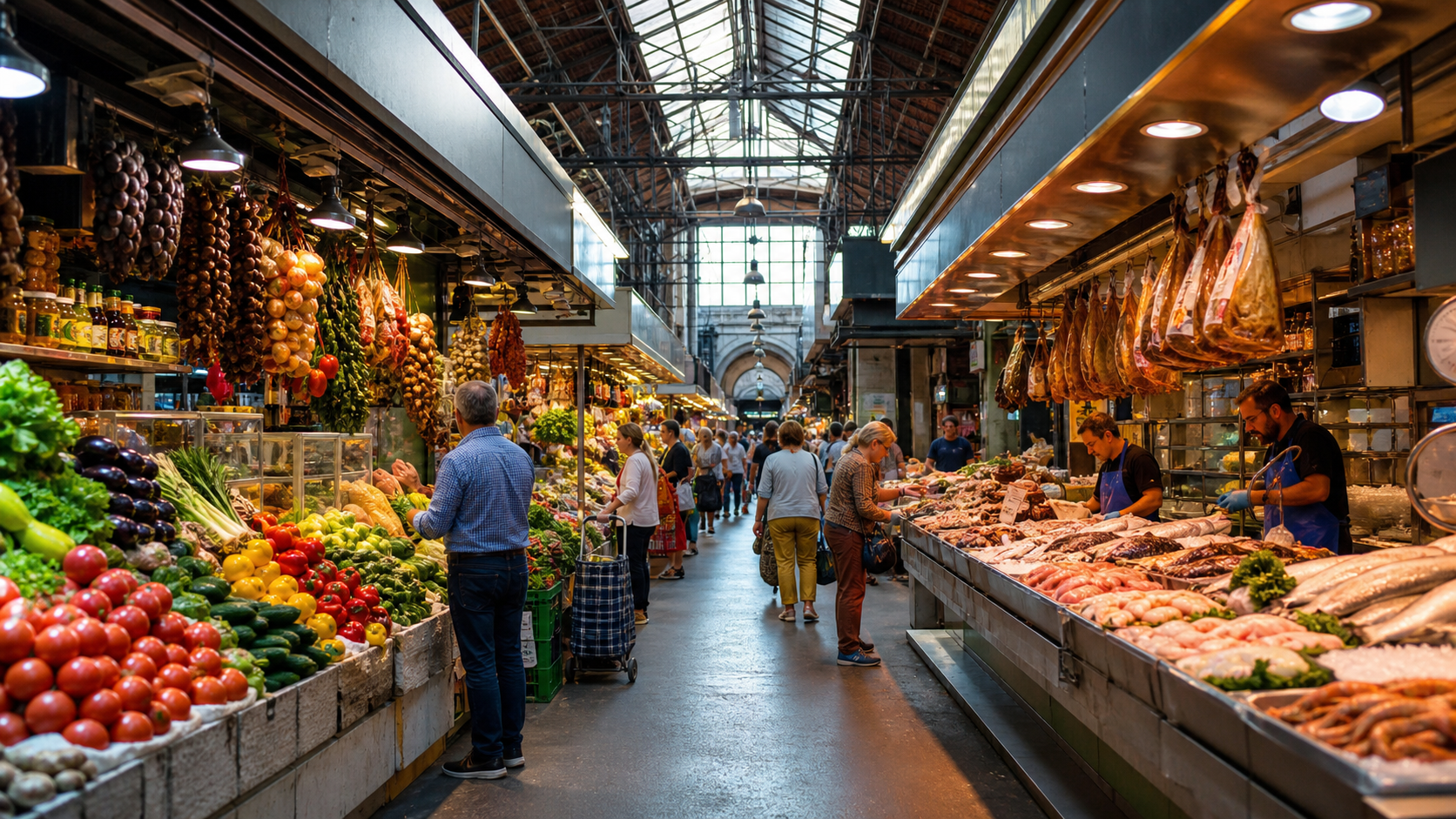
La Boqueria is visually spectacular and historically important, but its central location produces heavy crowds. Visit early, explore beyond fruit cups and snack counters, and remember that it remains a workplace. Do not block stalls for photographs or handle produce without permission.
Mercat de Sant Antoni occupies a beautifully restored iron structure and serves a residential district. It is better for understanding everyday shopping, with food stalls, cafés and a Sunday book market outside. Mercat de la Concepció in Eixample is known for flowers, while Mercat de Santa Caterina has a colourful roof and a convenient location near El Born.
Neighbourhood markets such as Ninot, Llibertat and Galvany combine produce with bars serving breakfasts and lunches. Go before mid-afternoon, because many stalls close after the main market period. Markets are ideal for picnic ingredients, but seating and consumption rules vary.
Where to Eat by Neighbourhood
El Born and the Gothic Quarter have excellent restaurants mixed with tourist traps. Avoid hosts soliciting customers and menus that stretch across multiple unrelated cuisines. Streets a few blocks from major squares generally offer a calmer experience.
Gràcia excels at small restaurants, wine bars and independent bakeries. Sant Antoni is strong for brunch, natural wine and modern casual dining, while Poble-sec works for tapas before theatre or Montjuïc. Eixample contains everything from traditional dining rooms to acclaimed tasting menus.
Poblenou offers relaxed meals around its rambla and the beach. El Raval contributes South Asian, Middle Eastern and Filipino food alongside Catalan institutions. Barcelona’s contemporary food identity is multicultural; limiting a trip to “traditional” dishes misses much of what residents eat.
Bakeries, Sweets and Chocolate
Start the day at a proper forn or pastisseria. Croissants are common, but try ensaïmadas, xuixos filled with cream, coca pastries and seasonal specialities. Panellets appear around All Saints’ Day, while crema catalana provides a custard dessert with a brittle caramelised surface.
Mel i mató pairs fresh cheese with honey. Churros with thick hot chocolate are enjoyed particularly in cooler weather, including around Carrer de Petritxol. Turrón shops become especially prominent before Christmas, selling nougat in textures ranging from soft almond paste to brittle bars.
Vermouth, Wine and Beer
Vermut is more than a drink; “fer el vermut” describes the social ritual of an aperitif with olives, anchovies, crisps or conserves. Traditional bodegas and newer vermouth bars both preserve the custom. House vermouth is usually served over ice with citrus.
Catalonia produces cava, still wines and distinctive bottles from regions including Penedès, Priorat and Empordà. Ask for recommendations by the glass rather than defaulting to sangria. Cava pairs naturally with fried dishes and seafood.
Barcelona also has a strong craft-beer scene. Order a caña for a small draught beer. Drink water alongside alcohol, especially in summer, and remember that public drinking restrictions are enforced in many places.
Vegetarian, Vegan and Allergy-Aware Dining
Vegetarian and vegan options have expanded considerably, particularly in Eixample, Gràcia, Raval and Sant Antoni. Traditional vegetable dishes may still contain tuna, anchovy stock or pork, so explain requirements clearly. “Sense carn ni peix” means without meat or fish in Catalan.
Restaurants must provide allergen information, but cross-contamination remains possible in small kitchens. Travellers with serious allergies should carry a written translation, notify staff before ordering and choose venues that communicate confidently rather than relying only on menu symbols.
Reservations, Service and Tipping
Reserve popular restaurants, weekend lunches and tasting menus. Many businesses use online systems, while small establishments may prefer telephone or messaging. Arriving on time matters, particularly when tables have a second seating.
Begin with “bon dia” or “bona tarda.” Service can be efficient and direct rather than performative. Bread, water and terrace seating may be charged, so review the menu. Ask for “el compte, si us plau” when ready; the bill may not arrive automatically.
Service is included, and tipping is discretionary. Rounding up or leaving five to ten percent for excellent service is appreciated but not obligatory. Pay at the table or counter according to the venue.
A One-Day Food Route
Begin with coffee and pa amb tomàquet in Gràcia or Eixample. Visit a neighbourhood market in mid-morning, then choose a menú del día for lunch. Rest during the afternoon before vermouth and conserves at a bodega.
For dinner, share Catalan dishes or a carefully prepared rice meal. Finish with crema catalana or a walk for ice cream. The objective is not maximum consumption but varied contexts: bakery, market, lunch counter, aperitif bar and neighbourhood restaurant.
Barcelona tastes best when meals follow the city’s rhythm. Prioritise seasonal cooking, walk away from aggressive sales pitches and leave space for discoveries. A humble slice of tomato bread or market-counter lunch can be as memorable as an elaborate reservation when it connects food with place.
Comments