
Three days in Alicante provide enough time to understand the city rather than merely photograph its waterfront. You can explore Santa Bárbara Castle and the old town, enjoy a proper rice lunch, swim at an urban beach and use the coastal tram to discover a different side of the Costa Blanca. Distances in the centre are short, so the itinerary feels relaxed when planned around heat, meal times and opening hours.
This guide assumes three full days and accommodation near the centre. It favours walking and public transport, with alternatives for families and slower travellers. Schedules, prices and access arrangements change, so confirm museums, boats, castle routes and transport shortly before visiting.
Before You Arrive
Alicante-Elche Miguel Hernández Airport lies southwest of the city. The airport bus generally offers the simplest public-transport connection to central Alicante, with stops near key areas. Check the current route, frequency and accepted payment methods. A taxi is useful for groups, late arrivals or travellers with substantial luggage.
Choose a hotel near the old town, Mercado Central, Luceros or the waterfront if this is your first visit. These areas keep major sights within walking distance and connect easily with buses and the TRAM. Staying at San Juan Beach offers more sand and resort space but adds daily travel to historic attractions.
Pack comfortable shoes, a refillable water bottle and strong sun protection. A light layer is useful for breezy evenings and air-conditioned interiors.
Day One Morning: Castle Above the Mediterranean
Begin with Santa Bárbara Castle before the strongest heat. The fortress sits on Mount Benacantil and provides the essential overview of Alicante Bay, Postiguet Beach, the marina and the dense city below. Depending on current access, visitors may use the lift entrance near Postiguet, arrive by permitted transport or climb via hillside paths.
Allow 90 minutes to two hours inside. Move between the upper medieval area, courtyards, defensive walls and lower enclosures instead of stopping only at the first viewpoint. Interpretive displays explain how Islamic, Castilian, Aragonese and later military phases shaped the site.
Surfaces are uneven and shade is limited. Keep children close near steps and ramparts. Travellers with mobility requirements should check current accessible routes, since not every area is step-free.
Day One Afternoon: Santa Cruz and the Old Town
Descend through Parque de la Ereta when the route is open, pausing at terraces above the whitewashed Barrio de Santa Cruz. Its stepped lanes, flowerpots and blue details create a village atmosphere beneath the castle. This is a residential neighbourhood: keep voices low, avoid doorways and ask before photographing people.
Continue to the Basilica of Santa María and the nearby Museum of Contemporary Art, known as MACA. The museum offers an indoor break during hot weather. Opening hours vary, while church access must respect worship.
Walk via Plaza del Ayuntamiento to the Co-Cathedral of San Nicolás. The surrounding lanes suit a late lunch or tapas stop. If you want an Alicante rice dish, reserve a restaurant and allow time; many rice preparations are cooked to order and intended for at least two people.
Day One Evening: Explanada and Postiguet
Finish the first day on the Explanada de España. The promenade’s wave-pattern mosaic and palms run beside the marina, providing an easy sunset walk after the old town’s enclosed streets. Continue east to Postiguet Beach and look back toward the illuminated castle.
Postiguet is ideal for a short central swim. Summer evenings often feel more comfortable. Follow lifeguard flags, keep valuables secure and never swim after drinking alcohol.
Eat lightly if lunch was substantial. Share tapas around the old town or choose a waterfront terrace for atmosphere. Compare menus one street away from the busiest squares when food quality matters more than the view.
Day Two Morning: Mercado Central and City Life
Start at Mercado Central while stalls are active. The historic market introduces local fish, fruit, vegetables, olives, cheese, cured products and sweets. Walk considerately; ask before photographing people and never handle produce without permission.
Have coffee and tomato toast nearby, then explore the streets around Avenida de la Constitución and the lively plaza beside the market. A short walk brings you to Luceros, an important transport hub with an elegant fountain and TRAM connections.
From here, choose between culture and green space. The archaeological museum, MARQ, offers a strong introduction to the province’s past and is especially valuable in poor weather or intense heat. Alternatively, walk toward the waterfront and visit the Volvo Ocean Race museum area, checking current admission and opening details.
Day Two Afternoon: San Juan Beach
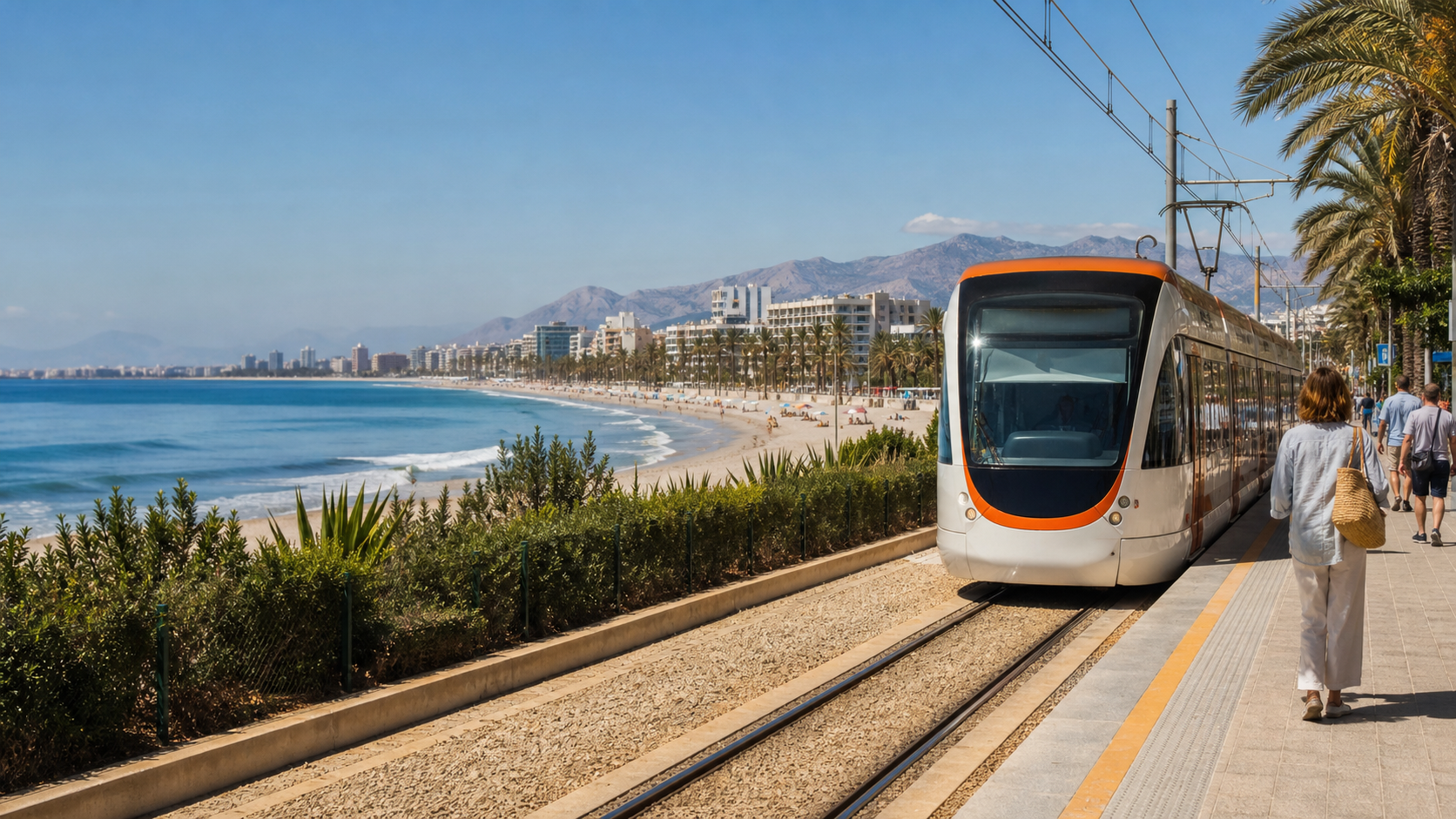
Take the TRAM toward Playa de San Juan for a change of scale. The long golden beach has far more space than Postiguet, along with a broad promenade, sports areas and numerous places to eat. Confirm the best stop for your chosen section because the shore extends for several kilometres.
Bring water and sun protection. Seasonal lifeguards and accessible bathing may operate at designated points, but dates vary. Swim in marked areas and obey the flag system.
Lunch can be a casual beach meal or another reserved rice. Avoid scheduling an elaborate meal and a distant museum on the same afternoon. The purpose of day two is to experience Alicante’s coastal rhythm, not to maximise a checklist.
Day Two Evening: Cabo de la Huerta or the Centre
Confident walkers can continue toward the rocky coves of Cabo de la Huerta, using public transport and established coastal routes. These coves offer clear water and attractive sunset views, but entries are uneven and may lack lifeguards. Do not attempt the rocks in unsuitable footwear or rough seas.
A simpler option is to return to the centre, rest and join the evening paseo around the marina. Have dinner near Mercado Central or in a residential street beyond the most tourist-oriented zone. Try grilled seafood, local vegetables, salted tuna or smaller tapas if you already enjoyed rice at lunch.
Day Three Option One: Tabarca Island
In warm, settled weather, devote the third day to Tabarca. Seasonal boats leave Alicante’s marina, while shorter crossings operate from Santa Pola. Reserve ahead, verify the exact quay and return time, and understand cancellation conditions if wind affects service.
On the island, explore the walled village first, then walk toward the lighthouse before temperatures rise. After lunch, swim or snorkel from a safe permitted area. Tabarca’s marine reserve protects seagrass and wildlife: never collect shells or organisms, touch animals or leave rubbish.
Caldero tabarquino is the traditional island meal and often needs advance booking. It is substantial and takes time, so do not pair a late lunch with an early return boat. Reach the harbour well before departure.
Day Three Option Two: Villajoyosa and Coastal Colour
If boat travel is unsuitable, take the TRAM north to Villajoyosa. This coastal town is known for colourful houses near the beach and a long connection with chocolate production. Check the current timetable and any factory-museum reservation requirements.
Walk the seafront, cross toward the old town and have lunch before returning. The journey itself reveals cliffs, coves and resort communities along the Costa Blanca. It provides an easy independent excursion without hiring a car.
Travellers who prefer a slower final day can remain in Alicante instead. Visit MARQ or MACA, browse the market, spend more time at San Juan and return to a favourite tapas bar. A flexible day is valuable when weather has disrupted earlier plans.
Where to Eat Across Three Days
Build the food plan around one significant rice lunch, one market morning and several smaller meals. Arroz a banda and arroz del senyoret are accessible introductions, while menus may include seafood, rabbit, vegetables or seasonal ingredients. Confirm whether prices are per person and whether two diners are required.
Try turrón made with Alicante or Jijona almonds, thinly sliced mojama with olive oil, coca with savoury toppings and a small glass of Fondillón after dinner. People with allergies should carry a written Spanish explanation and ask about stocks, shared fryers and cross-contact.
Spanish lunch and dinner times can be later than visitors expect. Reserve popular restaurants, especially on weekends, and check weekly closing days. Tap water availability and terrace supplements should be clarified politely if they matter to your budget.
Getting Around
Central Alicante is highly walkable, but the castle and Santa Cruz involve steep slopes. The TRAM is useful for San Juan, Villajoyosa and other northern coastal destinations. City buses fill gaps, while taxis are practical late at night or for travellers with limited mobility.
Check which ticket best fits your journeys rather than automatically buying a pass. Validate tickets as required and keep them until the trip ends. Services, zones and airport connections can change, so use official transport information.
Avoid renting a car for this itinerary unless you are continuing into rural areas. Central parking and one-way streets add effort, while every named destination is reachable without driving.
Adjusting the Itinerary
Families should shorten the castle circuit, prioritise shaded breaks and choose either Tabarca or Villajoyosa according to sea conditions. Older travellers may prefer ascending the castle mechanically and descending only as far as comfortable. Beach-focused visitors can replace a museum with additional time at San Juan.
In summer, move strenuous sightseeing to mornings and evenings. In winter, reverse the logic: use the warmest midday hours for outdoor sights and confirm reduced boat schedules. Rain makes polished streets and stone paths slippery, so choose museums until surfaces dry.
Three days succeed when each has a distinct character: history and old-town streets, modern city life and broad beaches, then an island or coastal excursion. Leave room for a long lunch and an unscheduled swim. Alicante rewards travellers who match its Mediterranean pace rather than race against it.
Comments