
London is not a city you simply tick off a list. It is a collection of villages, royal landmarks, riverside walks, world-class museums and constantly changing neighborhoods, all connected by one of the planet’s most useful public transport systems. A first visit can feel overwhelming, but the secret is simple: group each day by area, reserve a few important tickets, and leave space for wandering.
This London travel guide covers the essential sights, the best areas to explore, food worth seeking out and the practical details that make a trip run smoothly. Three or four days will reveal the highlights, while five to seven days allow you to experience London at a more relaxed, local pace.
Why Visit London?
Few capitals combine history and modern life as effortlessly as London. Roman walls stand near glass towers, centuries-old pubs share streets with ambitious restaurants, and royal ceremony coexists with music, fashion and street art. The city’s cultural depth is extraordinary. Many major museums have free permanent collections, the theatre scene is among the world’s best, and every neighborhood seems to offer its own architecture, markets and personality.
London also rewards different types of traveler. Families can build days around parks and interactive museums. Food lovers can move from Borough Market to Soho and East London. History enthusiasts could spend an entire week between Westminster, the Tower of London, Greenwich and the city’s smaller historic houses. Even a short stopover can include a Thames walk, a museum and an evening in the West End.
The Essential London Sights
Begin in Westminster, the ceremonial heart of the capital. The Houses of Parliament and Elizabeth Tower, commonly associated with the name Big Ben, create London’s most recognizable riverside view. Westminster Abbey is nearby, as are St James’s Park and Buckingham Palace. Walking this compact route early in the morning gives you grand architecture before the busiest part of the day.
East along the Thames, the Tower of London offers the city’s most concentrated encounter with royal history. Allow several hours for the fortress, its exhibitions and the Crown Jewels, then cross or admire Tower Bridge. From here, walk along the south bank toward Borough Market, Shakespeare’s Globe and Tate Modern. The river ties together different eras of London and makes navigation unusually easy.
St Paul’s Cathedral dominates the older financial district known as the City of London. Its dome is impressive from the Millennium Bridge, while the surrounding lanes hide churches, historic courtyards and fragments of Roman London. Farther west, Trafalgar Square leads naturally to the National Gallery, Covent Garden, Soho and the West End.
Do not treat every landmark as an attraction that requires admission. Some of London’s best experiences are free: crossing the city’s bridges, watching the skyline from Parliament Hill, exploring the permanent collections of major museums, or walking through the Royal Parks. Choose two or three paid priorities and let the city itself provide the rest.
Museums and Culture
The British Museum is the classic first choice, with collections spanning continents and thousands of years. It is vast, so select a few galleries rather than attempting to see everything. In South Kensington, the Natural History Museum, Science Museum and Victoria and Albert Museum form an exceptional cultural district. Their architecture alone justifies a visit, and the permanent collections make the area especially useful on a rainy day.
Modern and contemporary art lovers should visit Tate Modern in a converted power station on the south bank. The National Gallery covers European painting in a central location, while the National Portrait Gallery adds British history through faces and stories. Smaller institutions, historic houses and temporary exhibitions reward repeat visitors.
Neighborhoods Worth Exploring
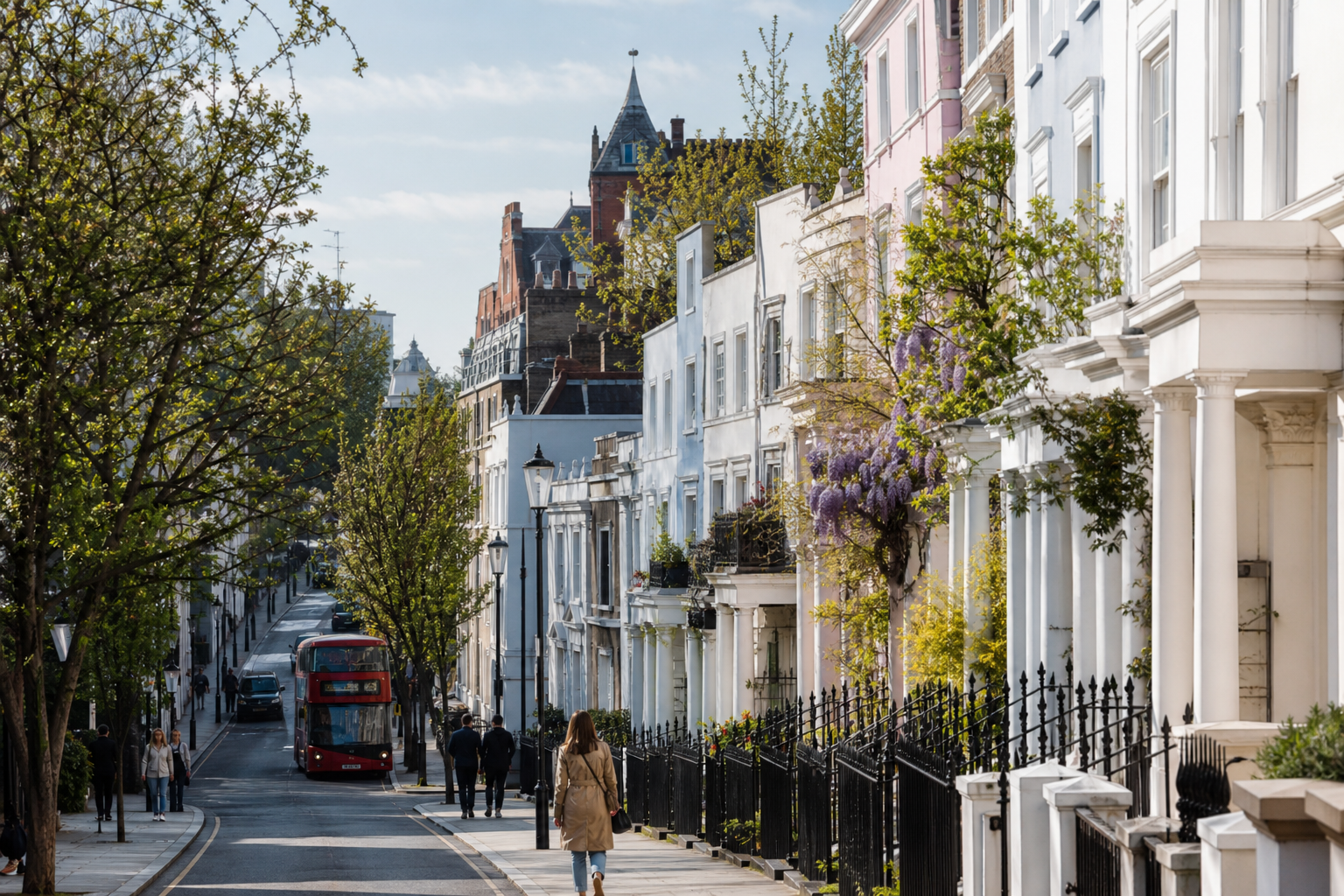
Central London contains famous sights, but neighborhoods give the city its character. Covent Garden is convenient for a first visit, combining attractive streets, theatres, shops and restaurants. Soho is livelier, with a dense mix of dining, nightlife and music history. Nearby Marylebone feels calmer and more residential, particularly around its high street and garden squares.
Notting Hill is known for pastel terraces and Portobello Road Market. Visit on a weekday morning for a quieter walk, or choose a major market day for more energy and stalls. Kensington and Chelsea offer elegant streets, museums and easy access to Hyde Park and Kensington Gardens.
East London provides a sharper contrast. Shoreditch mixes street art, nightlife and creative businesses, while neighboring Spitalfields has a historic market and strong food options. Continue to Brick Lane for bakeries and South Asian cuisine. Farther east, the canals, parks and independent businesses around Hackney reveal a less monumental but highly engaging side of the city.
Greenwich is an excellent half-day destination. Arrive by river boat if possible, then explore the maritime buildings, covered market and hilltop park. The view from near the Royal Observatory places historic Greenwich in front of the modern towers of Canary Wharf.
Food and Drink in London
London’s food scene reflects communities from across the world. Borough Market is an easy introduction, although it becomes crowded around lunch. Markets and food halls are useful for groups who want different cuisines, but some of the city’s best meals are found on ordinary neighborhood streets.
Try a classic pub for a pie, fish and chips or a Sunday roast, while remembering that quality varies. Look for a place with a focused menu and a busy local dining room. Afternoon tea can be a memorable occasion, but it ranges from traditional hotel service to informal bakery versions, so choose according to budget rather than reputation alone.
Parks, Walks and Views
London’s green spaces are part of everyday city life. Hyde Park and Kensington Gardens form a vast central landscape, while St James’s Park offers classic views near Buckingham Palace. Regent’s Park combines gardens and broad lawns, and nearby Primrose Hill provides a popular skyline viewpoint.
For an urban walk, follow the Thames between Westminster and Tower Bridge, explore the Regent’s Canal between Little Venice and Camden, or trace quiet streets through Bloomsbury. Comfortable shoes matter: London is large, but many central attractions are closer together than the Underground map suggests.
Getting Around London
Most visitors use a combination of the Underground, buses and walking. Contactless bank cards, mobile payment and Oyster cards can be used for pay-as-you-go travel, with fare capping applied when the same payment method is used consistently. Always use the same card or device throughout the day. On rail and Underground journeys, touch in and out; on buses, touch in only.
The Tube is usually fastest, but buses provide street-level views and can be more convenient for short trips. The Elizabeth line is useful for several airport and cross-city journeys. River services cost more than a regular bus but turn transportation into sightseeing. Check live information before traveling, particularly late at night or on weekends when maintenance work is more common.
London is divided into fare zones, but most first-time sightseeing takes place in Zones 1 and 2. Avoid driving in central London. Traffic, parking costs and road charges make public transport a far better option for almost every visitor.
Best Time to Visit
London works year-round. Spring brings flowers, longer days and generally comfortable walking weather, although rain remains possible. Summer offers outdoor events and late sunsets but also the largest crowds and higher hotel prices. Early autumn can be mild and atmospheric, while November and December add festive lights, markets and seasonal performances.
January through early spring can offer better accommodation value and fewer visitors outside school holidays. Winter days are short and cool, but museums, pubs and theatres make London particularly resilient in poor weather. Whatever the season, pack layers and a light waterproof jacket rather than relying on a forecast several days ahead.
Where to Stay
For a first trip, choose convenience over a famous postal address. Covent Garden, Bloomsbury, South Bank and Westminster place many sights within walking distance but usually command high prices. Paddington is practical for Heathrow connections, while King’s Cross has excellent transport and an increasingly appealing restaurant scene.
South Kensington suits museum-focused families, and Marylebone offers a quieter central base. Shoreditch is better for nightlife and East London exploration. Areas farther from the center can provide value, but check the walk to a station and the late-evening route back to your hotel. A well-connected room in Zone 2 often works better than a cheaper property requiring multiple changes.
A Suggested Three-Day Itinerary
On day one, explore Westminster Abbey, Parliament, St James’s Park and Buckingham Palace. Continue through Trafalgar Square to Covent Garden and finish with dinner or a West End performance.
On day two, visit the Tower of London early, see Tower Bridge and walk the south bank through Borough Market to Tate Modern. Cross the Millennium Bridge for St Paul’s Cathedral, then spend the evening in Soho or Shoreditch.
On day three, choose a major museum in South Kensington or Bloomsbury. Follow it with a neighborhood afternoon in Notting Hill, Hampstead or Greenwich. End with a pub meal, a river journey or a skyline viewpoint.
Practical Tips for a Better Trip
Book high-priority attractions and theatre tickets before arrival, but avoid scheduling every hour. Reserve restaurants only when a particular place matters. Keep valuables secure in crowded transport and tourist areas, and stand on the right side of escalators so others can pass on the left.
London’s scale is part of its appeal. No single itinerary can capture it, and that removes the pressure to see everything. Build each day around one essential experience, explore the streets around it, and allow the city to surprise you. That balance of preparation and curiosity is the best way to turn a famous capital into a personal journey.
Comments