
London has one of the greatest concentrations of museums anywhere in the world, and many of its biggest national collections are free to enter. That is wonderful news for travellers, but it also creates a planning problem: there is far more to see than any visitor can manage, and the most famous museums can be crowded and tiring if you go in without a plan. This guide helps you choose the right museums for your interests, group them by area, and get the most out of each visit. For more trip ideas, visit the Jettripper homepage.

Why London Is a Museum City
The UK’s national museums have offered free general admission to their permanent collections since 2001. In London that includes the British Museum, the National Gallery, the Natural History Museum, the Science Museum, the Victoria and Albert Museum (V&A), Tate Modern, Tate Britain, the National Portrait Gallery and the Imperial War Museum, among others. Special exhibitions usually charge a fee, and donations are welcomed, but you can see world-class collections without paying anything at the door.
Some popular museums now recommend or require booking a free timed ticket at busy periods. Always check the museum’s own website before you go, because policies change and booking can save you a long wait outside.
The Big Museums at a Glance
The British Museum (Bloomsbury)
Two million years of human history under one roof. The Rosetta Stone, the Parthenon sculptures, the Egyptian mummies and the Sutton Hoo treasure are the headline objects, and the Great Court, with its glass and steel roof, is a sight in its own right. The museum is vast, so pick two or three galleries rather than trying to see everything.
The National Gallery (Trafalgar Square)
One of the finest collections of Western European painting in the world, from the 13th to the early 20th century. Look for works by Van Eyck, Leonardo da Vinci, Titian, Rembrandt, Turner, Constable and Van Gogh. Its central location makes it ideal for a short visit between other sights.
The South Kensington trio
Exhibition Road is home to three major museums side by side. The Natural History Museum is famous for its cathedral-like Hintze Hall and dinosaur galleries. The Science Museum covers everything from steam engines to space exploration. The V&A is the world’s leading museum of art, design and performance, with fashion, jewellery, ceramics, sculpture and some of the city’s most beautiful interiors, including its garden courtyard and cafe rooms.
Tate Modern and Tate Britain
Tate Modern occupies the former Bankside Power Station on the South Bank and shows international modern and contemporary art; the Turbine Hall regularly hosts large-scale installations. Tate Britain, on the river at Millbank, focuses on British art from 1500 to today and holds the world’s largest collection of works by J.M.W. Turner. The Tate Boat links the two galleries along the Thames.
Choose Museums by Interest
For history lovers
Combine the British Museum with the Imperial War Museum in Lambeth, which tells the story of conflict from the First World War to the present. The Churchill War Rooms in Westminster (paid entry) preserve the underground bunker where the wartime government worked. The Museum of London Docklands in Canary Wharf, housed in a historic warehouse, covers the story of the river, trade and the port.
For art lovers
Start with the National Gallery, then walk round the corner to the National Portrait Gallery. Add the Wallace Collection in Marylebone, a free museum in a grand townhouse with superb Old Master paintings, armour and French furniture. The Courtauld Gallery at Somerset House (paid) has an outstanding Impressionist and Post-Impressionist collection in a compact, manageable space.
For design and fashion fans
The V&A is essential. The Design Museum in Kensington explores contemporary product, fashion and architectural design, with a free permanent display and paid exhibitions. Leighton House in Holland Park and the Sir John Soane’s Museum in Holborn are extraordinary historic interiors that feel like stepping into another century.
For science and nature
The Natural History Museum and Science Museum make an easy pair. The Royal Observatory in Greenwich, home of the Prime Meridian, combines astronomy and timekeeping with one of the best views in London. The Grant Museum of Zoology at University College London is a small, quirky collection packed with skeletons and specimens.
For transport and engineering
The London Transport Museum in Covent Garden (paid) tells the story of the city’s buses, trams and Underground, with vintage vehicles you can step aboard. It pairs nicely with a ride on a heritage Routemaster-style bus route or a trip on the Thames.
Plan Your Visits by Area
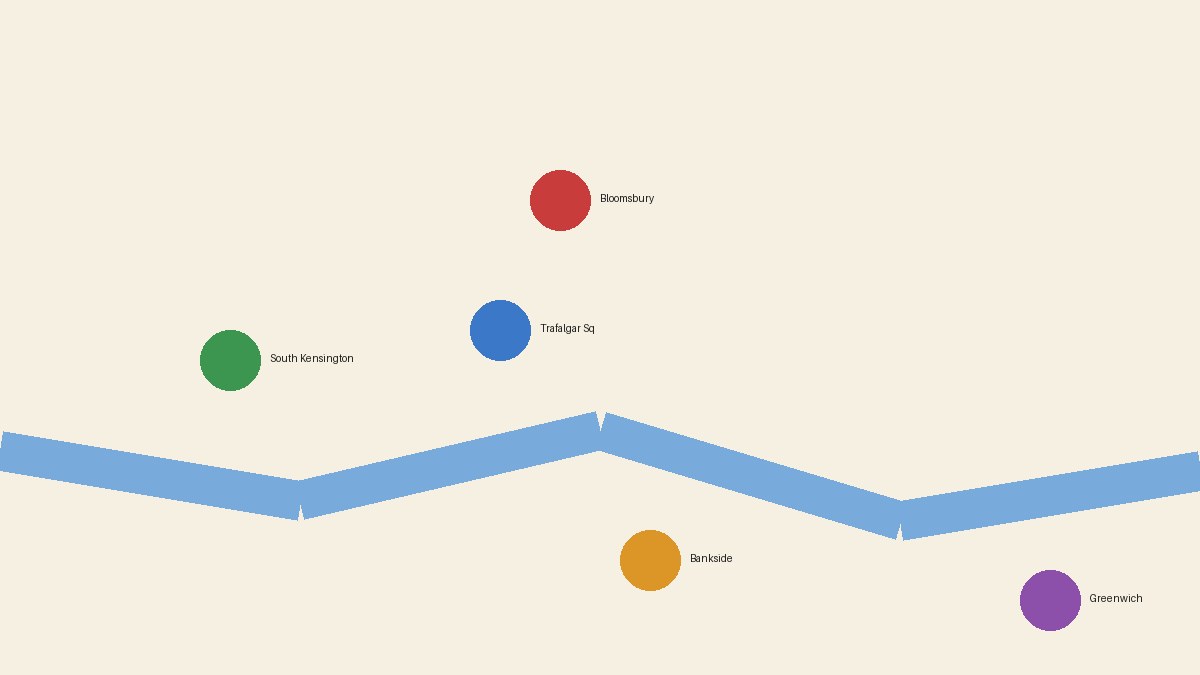
Grouping museums geographically saves time and energy. These clusters make natural half-day or full-day plans.
- Bloomsbury: British Museum, Sir John Soane’s Museum (in nearby Holborn), the Grant Museum and the Charles Dickens Museum.
- Trafalgar Square and the Strand: National Gallery, National Portrait Gallery, the Courtauld at Somerset House and the London Transport Museum in Covent Garden.
- South Kensington: Natural History Museum, Science Museum and the V&A, with the Royal Albert Hall and Hyde Park just to the north.
- Bankside and the South Bank: Tate Modern, Shakespeare’s Globe exhibition, and a walk west to the Imperial War Museum.
- Greenwich: National Maritime Museum, the Royal Observatory, the Queen’s House and the Cutty Sark.
How to Get the Most Out of Each Visit
Go early or late
The busiest hours at the big museums are usually late morning to mid-afternoon, especially at weekends and in school holidays. Arrive at opening time for the calmest galleries. Several museums also run late openings on selected evenings, which are often livelier and less crowded with tour groups; check each museum’s website for current schedules.
Pick a focus
Museum fatigue is real. Two to three hours is plenty for most people in a single large museum. Choose a theme, such as ancient Egypt, Impressionist painting or dinosaurs, and use the museum’s floor plan or app to head straight there. You can always come back another day, since general entry is free.
Use free tours and talks
Many museums offer free short gallery talks or volunteer-led tours that highlight key objects. Audio guides and museum apps are useful too, and some are free to download before your visit.
Bags, cafes and breaks
Bag checks at entrances are standard, and large suitcases are often not accepted, so travel light on museum days. Museum cafes are convenient but can be busy at lunchtime; South Kensington and Bloomsbury both have plenty of alternatives within a few minutes’ walk. Benches in galleries and courtyards are your friend.
Paid Exhibitions and Smaller Gems
The major museums run temporary exhibitions that often become the talk of the city. Tickets for the most popular shows can sell out weeks ahead, so if there is a particular exhibition you want to see, book as soon as you know your dates. Members of some museums get free entry to exhibitions, which can be good value for longer stays.
Don’t overlook the smaller museums. The Horniman Museum in Forest Hill has a famous overstuffed walrus and gardens with views across the city. The Museum of the Home in Hoxton shows how living rooms have changed over 400 years. The Hunterian Museum at the Royal College of Surgeons is fascinating for those with strong stomachs. These places are rarely crowded and give a more intimate feel than the giants.
Museums and Sport
If your interests go beyond art and history, London’s sporting heritage has its own museum-style attractions. Lord’s Cricket Ground offers tours that include the MCC Museum, home of the Ashes urn, and the World Rugby Museum is at Twickenham. Football fans can visit club museums at several stadiums, and travellers who want to see a live game during the same trip can plan a football break with match tickets alongside their sightseeing days.
A Two-Day Museum Itinerary
Day one: art and history in the centre
Begin at the British Museum when doors open and spend the morning with one or two of its major collections. Walk to Covent Garden for lunch, then continue to the National Gallery for the afternoon. If you still have energy, the National Portrait Gallery is next door.
Day two: South Kensington and the river
Spend the morning at the Natural History Museum or the V&A, depending on your interests, then cross Hyde Park on foot for a break. In the afternoon, head to Bankside for Tate Modern and finish with a walk along the river as the sun goes down.
Visiting Museums With Children
London’s museums are some of the best in the world for young visitors. The Natural History Museum’s dinosaurs and the Science Museum’s interactive galleries are obvious winners, while the V&A Museum of Childhood in Bethnal Green has reopened as Young V&A, a museum designed specifically for children and families. Many museums offer free activity trails, family backpacks or weekend workshops, so check the family section of each website before you go. Pushchair access is generally good in the big national museums, and most have baby-changing facilities and picnic areas. Keep visits short with younger children, build in a park break, and let them choose one gallery to explore in depth rather than rushing through many.
Accessibility
The major national museums have step-free access to most galleries, accessible toilets, lifts and wheelchairs available to borrow, though historic buildings such as Sir John Soane’s Museum have more limited access. Many offer large-print guides, audio description, British Sign Language tours and quieter opening sessions for visitors who prefer calmer surroundings. Contact the museum ahead if you have specific needs.
Final Tips
Check opening days before you go, since some smaller museums close on Mondays. Book free timed tickets where offered, wear comfortable shoes, and resist the urge to see everything. For more European planning inspiration, read our guide to the best time to visit Spain by region and our first-timer’s 10-day Spain itinerary.