
Dublin is compact enough for an easy city break yet layered enough to reward a longer stay. Georgian squares, medieval churches and revolutionary landmarks sit beside contemporary restaurants, independent shops and music-filled pubs. The River Liffey provides a natural compass, while the coast is close enough to add cliffs and fishing villages to an urban itinerary.
This Dublin travel guide covers the essential sights, the most enjoyable neighborhoods, Irish food and pub etiquette, transport and a balanced four-day plan. Three days work for the center; a fourth creates room for Kilmainham, Phoenix Park and a DART trip around Dublin Bay.
Why Visit Dublin?
Dublin’s greatest strength is its personality. Conversations begin easily, live music appears in both celebrated venues and unassuming local pubs, and literary history is embedded in ordinary streets. Writers including James Joyce, Oscar Wilde, W.B. Yeats and Samuel Beckett are remembered through museums, statues, libraries and the city’s UNESCO City of Literature identity.
History is equally present. Dublin Castle reflects centuries of British administration, the General Post Office is associated with the 1916 Rising, and Kilmainham Gaol tells the difficult story of imprisonment and independence. Between them lie excellent national museums, many with free permanent collections. The result is a capital where a modest budget can still support a rich cultural itinerary.
Trinity College and the Book of Kells
Begin at Trinity College, founded in 1592 and set behind an elegant entrance on College Green. Its cobbled squares and historic buildings provide a calm transition from the surrounding shopping streets. The main attraction is the Book of Kells experience, centered on the richly illuminated medieval manuscript and the Old Library.
Access arrangements can change during the library’s major conservation project, so reserve through Trinity’s official site and check exactly what the current visit includes. Timed tickets often sell out in busy months. Early slots make it easier to appreciate the exhibition before the central streets become crowded.
Afterward, walk to Merrion Square for Georgian townhouses and the Oscar Wilde memorial. Nearby National Gallery of Ireland is an excellent wet-weather stop, with Irish and European painting in its permanent collection.
Georgian Dublin and St Stephen’s Green
South of Trinity, Dublin’s Georgian core is defined by balanced brick façades, fanlights and brightly painted doors. Merrion Square and Fitzwilliam Square show the style at its most harmonious. These are residential and working streets, so admire them without blocking doorways or treating private steps as photo sets.
St Stephen’s Green offers lawns, ponds and shaded paths in the middle of the shopping district. It is ideal for a morning coffee or a pause between museums. Grafton Street runs north from the park and is known for shops and buskers; listen respectfully and tip performers whose music you enjoy.
The Little Museum of Dublin uses donated objects and storytelling to present recent history. Just west, the quieter Iveagh Gardens provide a retreat on a busy afternoon.
Dublin Castle and the Medieval Quarter
Dublin Castle stands on the site of a Viking settlement and later became the center of English and British administration in Ireland. Its State Apartments, courtyards and Chapel Royal reveal different periods of development. Check access before visiting.
Walk to Christ Church Cathedral, whose long history and atmospheric crypt make it one of the city’s defining religious sites. Nearby Dublinia presents Viking and medieval Dublin in an accessible, family-friendly format. A short distance south, St Patrick’s Cathedral is associated with Jonathan Swift, who served as dean and is buried there.
Look for fragments of the old city walls and pause in the gardens beside St Patrick’s. Both cathedrals, the castle and a museum can fill a day, so choose according to your interests.
Temple Bar Without the Traps
Temple Bar is a cultural district as well as a nightlife zone. During the day, its lanes contain galleries, small theaters, the Irish Film Institute and weekend markets. Its cobbles and riverside position make it worth seeing, particularly in the morning.
At night, the most famous pubs can be crowded and expensive. Enjoy the energy if that is what you came for, but do not assume it represents all Dublin pub culture. Walk toward George’s Street, Camden Street, Stoneybatter or the north inner city for venues with a stronger neighborhood feel.
Pubs function as social spaces, and non-alcoholic drinks are widely available. Keep conversation low near musicians and avoid flash. In many traditional pubs, order and pay at the bar.
Guinness Storehouse and the Liberties
The Guinness Storehouse occupies part of the historic St James’s Gate brewery complex in the Liberties. Its self-guided exhibition explains ingredients, advertising and the brand’s place in Irish culture, ending with an elevated city view. Book a timed ticket if it is a priority, and expect a polished visitor attraction rather than a working-brewery tour.
The Liberties deserves attention beyond Guinness. Thomas Street, Francis Street and Meath Street contain antiques, markets, cafés and long-established businesses.
Kilmainham Gaol and Irish History
Kilmainham Gaol is one of Dublin’s most powerful historic sites. Its guided tour traces harsh prison conditions, political incarceration and the executions connected with the 1916 Rising. The building and stories can be emotionally intense, but they provide essential context for modern Ireland.
Tickets are limited and should be purchased only through the official Heritage Ireland channel; unauthorized resellers are not accepted. Availability is often released on a set schedule, so check ahead. Arrive early because late admission may not be possible.
Combine the gaol with the nearby Irish Museum of Modern Art and its formal garden. Alternatively, continue to Phoenix Park for walking or cycling, keeping a respectful distance from its wild deer.
Dublin’s Food Scene
Traditional dishes remain worth seeking out. Irish stew, seafood chowder, soda bread and coddle are warming choices, while boxty is a versatile potato pancake. Modern Dublin restaurants also emphasize Atlantic seafood, Irish cheeses, seasonal vegetables and excellent baking. Reservations are advisable from Thursday through Saturday.
For lunch, try a bakery, market stall or casual café. George’s Street Arcade mixes food counters with independent retail, while Capel Street offers diverse, good-value options.
Coffee culture is strong across the center. Tipping is appreciated for table service, but check whether a service charge has already been added.
A Coastal Trip to Howth
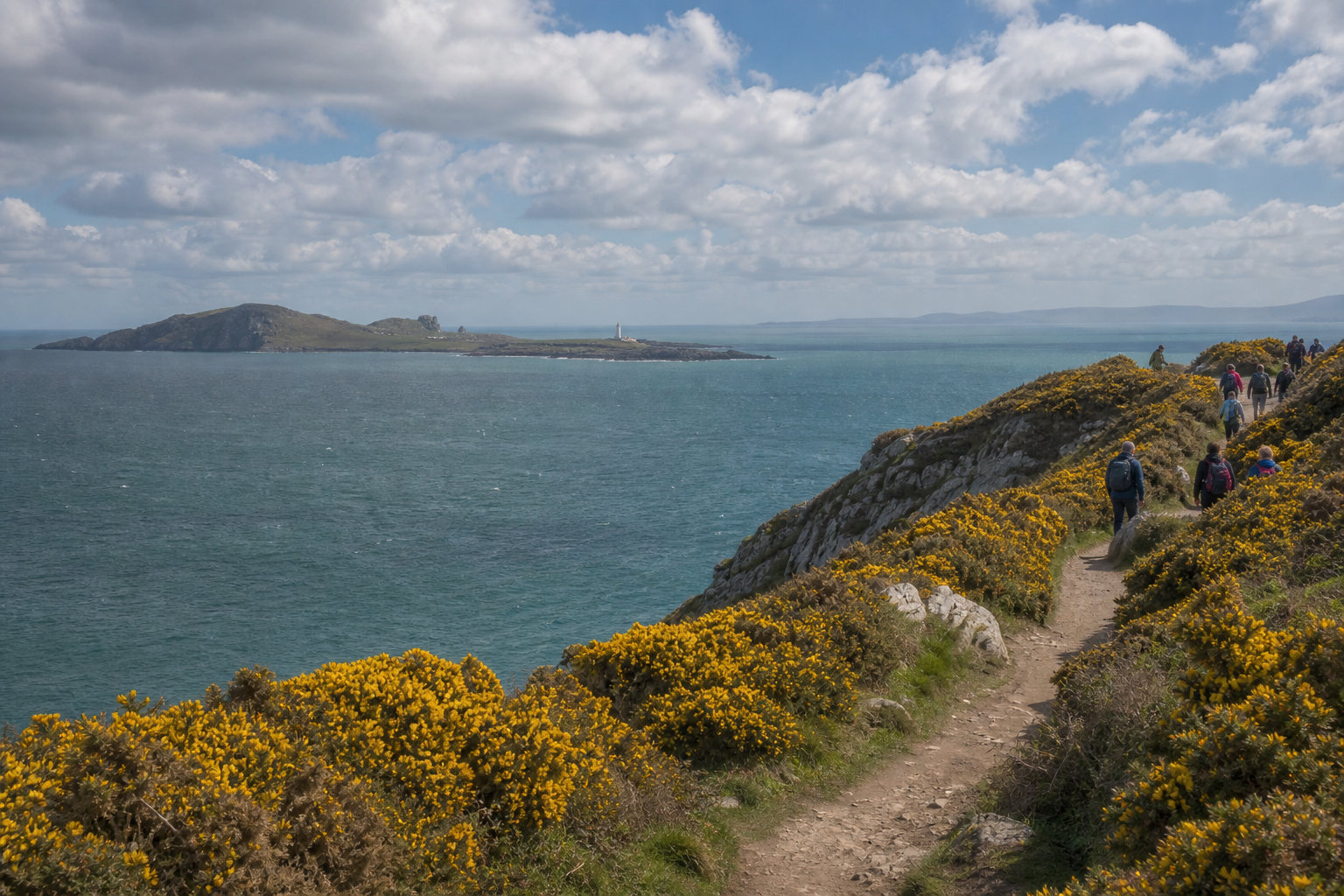
Howth makes an easy contrast to central Dublin. The DART train reaches the harbor from city-center stations, after which seafood restaurants, piers and coastal paths are accessible on foot. Buy or activate the correct ticket and check return services before setting out.
Several looped walks climb above the village, with views toward Ireland’s Eye and the Baily Lighthouse. Routes vary in distance and difficulty, and exposed sections can become muddy or windy. Wear proper shoes, carry a waterproof layer and stay back from cliff edges. Check current trail conditions, especially after storms.
If weather is poor, consider Dún Laoghaire. Its East Pier provides an accessible coastal walk, and both it and nearby Sandycove are served by DART.
Getting Around Dublin
Central Dublin is highly walkable, though distances across Phoenix Park or to Kilmainham are greater than they appear. Public transport includes Dublin Bus, Go-Ahead services, the two-line Luas tram, DART and commuter rail. The official TFI journey planner is the best source for current routes.
A standard Leap Card offers stored credit and fare capping, while the Visitor Card provides unlimited eligible travel for a chosen period. Compare current prices and touch on and off where required.
Dublin Airport has no direct rail connection. Public and commercial buses serve the center and other districts; journey time varies significantly with traffic. Allow a generous margin when returning for a flight and verify the correct stop and terminal.
Best Time to Visit
May, June and September often balance long daylight with manageable crowds. July and August bring festivals and the busiest accommodation market. Spring can shift from sunshine to rain within minutes, while autumn offers warm pub evenings and fewer tour groups.
Winter days are short and damp but suit museums and music sessions. Pack a waterproof layer and keep the order of indoor and outdoor activities flexible.
Where to Stay
St Stephen’s Green is central and convenient. Temple Bar maximizes nightlife but can be noisy. The Docklands offer modern hotels, while Portobello, Rathmines and Stoneybatter provide a more residential atmosphere.
Accommodation can be expensive, especially around concerts and sporting events. Book early, confirm whether breakfast is included and check the exact late-night transport options rather than relying only on neighborhood names.
A Four-Day Dublin Itinerary
On day one, visit Trinity College, walk through Georgian Dublin and the National Gallery, then explore Grafton Street and St Stephen’s Green. Finish with dinner and music away from the busiest Temple Bar venues.
Use day two for Dublin Castle, one cathedral and the medieval quarter. Continue through the Liberties to the Guinness Storehouse or a distillery, then dine around Camden Street.
On day three, reserve Kilmainham Gaol, visit IMMA or Phoenix Park and cross to Collins Barracks. End with Capel Street and an evening pub session.
Take the DART to Howth on day four for the harbor and a suitable cliff loop. Return to the city for a final riverside walk across the Ha’penny Bridge.
Final Tips for Dublin
Reserve the Book of Kells, Kilmainham Gaol and popular evening restaurants before arrival. Carry a contactless payment card but keep a little cash for small purchases. Look both ways when crossing, as traffic drives on the left, and take care on wet cobbles.
Dublin is best experienced through a mixture of planned history and unplanned conversation. See the major institutions, but leave time for a quiet Georgian street, a coastal train ride and a song in a neighborhood pub. Those unscripted moments are often the ones that explain the city best.
Comments