
Florence compresses an extraordinary amount of beauty into a small, walkable center. Brunelleschi’s dome rises above medieval lanes, Renaissance masterpieces fill former palaces, and the Arno reflects bridges that have connected the city for centuries. Yet Florence is not only an open-air museum. Markets, artisan workshops, neighborhood wine bars and evening walks give the Tuscan capital an intimate everyday rhythm.
This Florence travel guide explains how to experience the essentials without turning the trip into a race. It covers the Duomo, Uffizi, Accademia, Oltrarno, local food, viewpoints, transport and a balanced four-day itinerary. Three days can cover the principal landmarks; four allow time for gardens, quieter churches and spontaneous discoveries.
Why Visit Florence?
Florence changed European art and architecture, and many defining works remain close to where they were created. You can see Botticelli at the Uffizi, Michelangelo’s David at the Accademia and fresco cycles inside working churches, then step outside into streets shaped by the Medici era. Few cities make artistic history feel so immediate.
Scale is another advantage. Most major sights lie within a half-hour walk, making it easy to alternate celebrated museums with markets, cafés and river views. Across the Arno, the Oltrarno retains a more residential character, with workshops and small squares that reveal a living city behind the famous skyline.
Piazza del Duomo
Start early at Piazza del Duomo, before tour groups fill the surrounding streets. The Cathedral of Santa Maria del Fiore is a remarkable ensemble rather than a single attraction: the cathedral, Baptistery, Giotto’s bell tower, museum, crypt and dome each have separate access arrangements. Its green, white and pink marble exterior rewards a slow circuit before going inside.
Climbing Brunelleschi’s dome provides a close look at its ingenious double-shell construction and a sweeping city view, but the steep enclosed stairs are physically demanding. Timed reservations are essential. Giotto’s bell tower offers a similarly elevated perspective with different angles toward the dome. Choose one climb unless heights and stairs are a central pleasure.
The Opera del Duomo Museum displays original sculptures and doors, including works by Michelangelo and Donatello. Check current ticket combinations and entry rules on the official Duomo website.
Piazza della Signoria and Palazzo Vecchio
Walk south along Via dei Calzaiuoli to Piazza della Signoria, Florence’s monumental civic space. Palazzo Vecchio still functions as the town hall, while its museum reveals ceremonial rooms, private apartments and layers of political symbolism. The courtyard can be seen quickly, but the interior deserves at least ninety minutes.
Outside, the Loggia dei Lanzi forms a free sculpture gallery. The nearby Fountain of Neptune and replica of David make the piazza especially atmospheric after sunset.
Visiting the Uffizi Gallery
The Uffizi holds an exceptional sequence of Italian Renaissance paintings, including works by Giotto, Botticelli, Leonardo, Michelangelo, Raphael and Titian. Its scale can be tiring, so plan around a limited number of rooms rather than trying to absorb every label. Two and a half to three hours is comfortable for a first visit.
Book through the official Uffizi platform, particularly from spring through autumn. Morning reservations often mean better concentration, although the museum remains popular throughout the day. Pause at windows and terraces: views of the Arno, Palazzo Vecchio and surrounding roofs are part of the experience.
The Accademia and Michelangelo
Michelangelo’s David is the reason most travelers visit the Galleria dell’Accademia, but the unfinished Prisoners leading toward it make the encounter more meaningful. Their emerging forms reveal the artist’s working process, while the museum also contains Florentine paintings and a fascinating musical-instrument collection.
The Accademia is smaller than the Uffizi, yet queues can be disproportionately long. Reserve a timed entry and allow around ninety minutes. Avoid stacking both major museums back-to-back; one in the morning and a church or neighborhood walk afterward creates a more enjoyable day.
Nearby, San Marco offers a quieter encounter with Fra Angelico’s frescoes and a powerful contrast to Florence’s grand palaces.
Ponte Vecchio and the Arno
Ponte Vecchio has carried shops across the Arno for centuries and remains one of Florence’s defining images. Its jewelry windows attract dense crowds in the middle of the day, so cross early in the morning or return after dinner. For the best view of the bridge itself, walk to Ponte Santa Trinita.
River walks are most pleasant around sunrise and the final hour of daylight. Continue east toward the quieter stretches near San Niccolò, or west beyond Santa Trinita for reflections of the historic center.
Explore the Oltrarno
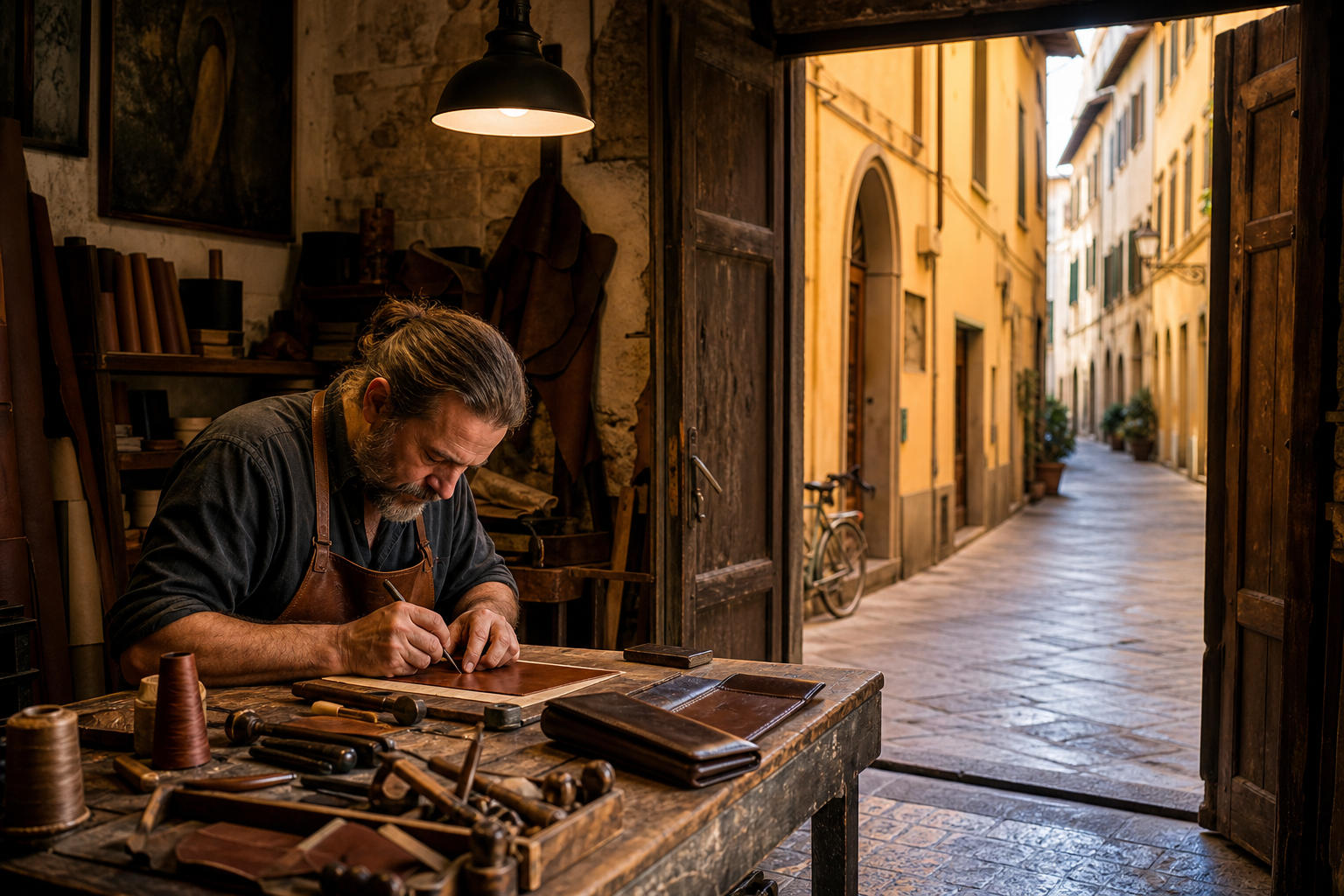
The Oltrarno, meaning “beyond the Arno,” adds texture to a first visit. Santo Spirito centers on a broad piazza where residents meet for morning coffee and evening drinks. The church’s restrained façade conceals a harmonious Brunelleschi interior, and its surrounding streets contain restaurants, vintage shops and artisan studios.
San Frediano is ideal for an unhurried evening. Look for workshops producing leather, marbled paper, jewelry and restored furniture, respect working spaces and ask before photographing artisans.
Palazzo Pitti anchors the eastern Oltrarno. Behind it, the Boboli Gardens rise through formal avenues, fountains and shaded paths. Comfortable shoes and water are important, especially during summer heat. Nearby Bardini Garden is smaller and offers beautiful elevated views when open.
Piazzale Michelangelo and San Miniato
Piazzale Michelangelo delivers the classic panorama of Florence, with the Duomo, Palazzo Vecchio and bridges arranged across the valley. Sunset is beautiful but extremely busy. Arrive earlier, visit at dawn or continue uphill for a calmer experience.
The Romanesque Basilica of San Miniato al Monte stands above the piazzale. Its patterned marble façade, atmospheric interior and cemetery make the climb worthwhile. Check service times and remain quiet during worship.
Walking up through the rose garden is pleasant in suitable weather. Otherwise, take a bus uphill and walk down through San Niccolò, whose bars and small streets make a good dinner destination.
Markets and Florentine Food
Mercato Centrale combines a traditional ground-floor food market with an upstairs dining hall. Visit earlier for produce, cheese, cured meat and the working-market atmosphere. Sant’Ambrogio, east of the center, feels more neighborhood-oriented and is an excellent stop before exploring Santa Croce.
Florentine cooking is direct and seasonal. Ribollita is a hearty bread and vegetable soup, while pappa al pomodoro turns tomatoes and stale bread into comfort food. Bistecca alla fiorentina is a thick steak traditionally shared and served rare; confirm weight and price before ordering. Lampredotto, a tripe sandwich dressed with green sauce, is the city’s classic street food.
Try crostini with chicken-liver pâté, handmade pappardelle and cantucci with dessert wine. Coffee taken standing at the bar often costs less than table service. Choose gelato with natural colors rather than towering, fluorescent piles.
Getting Around Florence
Walking is best in the historic center. Pavements are uneven and traffic appears suddenly in narrow streets. Florence’s limited-traffic zone makes driving inconvenient; leave a rental car outside the center or arrange access with your accommodation.
Buses and trams are operated within the regional Autolinee Toscane system. Tickets can be purchased in approved apps, shops or by contactless methods on equipped services. Activate or validate the correct ticket when required and consult the official operator for current fares. Tram line T2 provides a useful connection between Florence Airport and the city.
Best Time to Visit
April to early June and September through October generally offer pleasant walking weather, although Florence is busy for much of the year. July and August can be intensely hot, with exposed squares and long museum days becoming tiring. Start early, schedule indoor breaks and carry refillable water.
Winter brings shorter opening hours but thinner crowds, apart from holiday periods. Rain makes stone streets slippery, yet museums and cafés suit cool days. Always check for major events, public holidays and museum closure days before finalizing the itinerary.
Where to Stay
The Duomo area maximizes convenience but can feel crowded and noisy. Santa Maria Novella suits train travelers, while Santa Croce balances central sights with strong dining options. The Oltrarno offers character and a more residential evening atmosphere, especially around Santo Spirito and San Frediano. San Niccolò is quieter and well positioned for hillside walks.
A Four-Day Florence Itinerary
On day one, visit the Duomo complex early, walk to Piazza della Signoria and explore Palazzo Vecchio. Cross Ponte Vecchio near evening and dine in Santo Spirito.
Begin day two at the Uffizi, then walk beside the Arno and explore Santa Croce. Finish with the climb to Piazzale Michelangelo and San Miniato, timing the panorama before sunset crowds peak.
Reserve the Accademia on day three, add San Marco and browse Mercato Centrale. Spend the afternoon around Santa Maria Novella or independent shops, leaving time for a relaxed aperitivo.
On day four, tour Palazzo Pitti and the Boboli Gardens. Continue through the Oltrarno’s artisan streets and San Frediano, returning to Ponte Santa Trinita for a final view of Ponte Vecchio.
Final Tips for Florence
Reserve the Uffizi, Accademia and dome climb well ahead during popular months, always using official channels. Beware of unofficial ticket sites, keep valuables secure in dense crowds and avoid eating on church steps or restricted monument areas. Carry a light scarf for religious sites.
Most importantly, leave space between reservations. Florence’s greatest pleasure often arrives in the interval: a workshop glimpsed through an open door, bells across terracotta roofs or a quiet glass of Tuscan wine in a small piazza. The art is essential, but the city becomes memorable when you also let it breathe.
Comments