
Cologne is a city that wears its history with confidence but rarely takes itself too seriously. Its enormous Gothic cathedral dominates the Rhine skyline, Roman remains lie beneath busy shopping streets, and colourful old-town façades face a river crossed by trains and pedestrians. At the same time, brewery halls, contemporary art, Carnival traditions and famously direct local humour give Cologne an open, sociable personality. This Cologne travel guide covers the essential sights, neighbourhoods, food and practical planning for a first visit to Germany’s Rhineland metropolis.
Why Visit Cologne?
Cologne’s landmarks sit close enough for an easy weekend, yet the city rewards a longer stay. The cathedral and major museums cluster around the central station, the Rhine provides attractive walking routes, and neighbourhoods such as the Belgian Quarter and Südstadt offer independent culture beyond the historic core.
Cologne Cathedral
Kölner Dom is Cologne’s defining landmark and one of Europe’s great Gothic churches. Construction began in 1248, paused for centuries and was completed in the nineteenth century according to medieval plans. Twin spires rise beside the main railway station, creating a dramatic arrival even for regular commuters.
Inside, the Shrine of the Three Kings is the most celebrated treasure. Stained glass ranges from medieval work to Gerhard Richter’s modern pixel-like window. The scale becomes apparent by walking the side aisles and looking back through the nave, but remember that the cathedral remains an active place of worship.
Since July 2026, tourist visits to the interior require a ticket outside services and private prayer arrangements. The tower and treasury have separate tickets. Check current official information because worship, construction and special events can alter access.
Climbing the South Tower
The cathedral tower climb involves 533 steps and no lift. A narrow spiral staircase leads first past the bells and then toward an outdoor viewing platform. The effort is significant, but views stretch across the Rhine, old town and surrounding region.
Go early to avoid queues and congestion on the tight stairs. Wear supportive shoes, keep both hands available and reconsider if enclosed spaces, heights or strenuous climbing are difficult. Allow roughly an hour, depending on pace and time at the top. The platform is caged for safety, which affects photography but not the panorama.
Old Town and the Rhine Promenade
Cologne’s Altstadt was heavily damaged during the Second World War and later reconstructed. Around Alter Markt and Heumarkt, narrow façades, fountains and brewery halls create a lively centre. The Romanesque Great St Martin Church rises above Fischmarkt’s colourful houses near the river.
Walk south along the Rhine promenade toward the Chocolate Museum and Rheinauhafen. Northward routes lead toward the Hohenzollern Bridge and newer riverfront districts. River cruises offer another perspective, but a walking loop across two bridges reveals how the city relates to both banks.
Hohenzollern Bridge and KölnTriangle
Hohenzollern Bridge carries an immense flow of trains across the Rhine beside pedestrian and cycling paths. Thousands of padlocks cover its fences, though visitors should avoid adding more weight and waste. Walk east for the classic view back toward the cathedral and central skyline.
On the Deutz side, KölnTriangle has an observation deck with an excellent unobstructed panorama. A lift handles most of the ascent, making it an accessible alternative to the cathedral tower. Visit near sunset, then photograph the illuminated cathedral from the riverside below.
Continue south through Rheinpark for lawns and river views. A cable car may operate seasonally across the Rhine near the zoo; verify dates and weather restrictions before planning around it.
Roman Cologne
Cologne began as Colonia Claudia Ara Agrippinensium and became an important Roman provincial capital. Fragments of walls and gates remain around the centre, while archaeological discoveries continue beneath modern construction. Near the cathedral, a Roman sewer and sections of the northern gate make the ancient city tangible.
The Romano-Germanic Museum holds major mosaics, glass and everyday objects, though long-term building work has affected its usual location and display arrangements. Check current venues before visiting. The Praetorium and MiQua Jewish Museum complex also interpret layers of Roman and medieval history, with access dependent on project schedules.
A guided archaeological walk helps connect scattered remains that otherwise appear isolated. Cologne’s Roman street grid still influences movement through the centre.
Museum Ludwig and Modern Art
Museum Ludwig stands beside the cathedral and contains an important collection of modern and contemporary art. Strengths include Pop Art, Picasso, German Expressionism, Russian avant-garde work and photography. Large windows frame the Rhine and railway bridge, keeping the city present inside the galleries.
Allow at least two hours and check temporary exhibitions. The adjacent Wallraf-Richartz Museum focuses on medieval to nineteenth-century European painting, while the Kolumba museum places art from different periods within Peter Zumthor’s contemplative architecture built over church ruins.
Twelve Romanesque Churches
Cologne has twelve major Romanesque churches within the historic centre. Great St Martin is the most visible, but St Gereon, St Maria im Kapitol and St Aposteln reveal different plans, crypts and artistic histories. They survived or were carefully reconstructed after wartime destruction.
Create a walking route around several rather than trying to visit all twelve. Opening hours can be limited and services take priority. Quiet behaviour, modest dress and small donations are appropriate. The churches offer peaceful breaks from shopping streets and a deeper understanding of medieval Cologne beyond the cathedral.
Belgian Quarter and Ehrenfeld
The Belgian Quarter surrounds Brüsseler Platz with boutiques, cafés, bars and restaurants. Street names reference Belgian cities, and the neighbourhood is especially lively on warm evenings. Browse during the afternoon, then stay for dinner while respecting residents affected by late-night noise.
Ehrenfeld lies farther west and combines former industrial spaces, music venues, international food and street art. The district has changed rapidly but retains a strong creative identity. Venloer Straße forms its commercial spine, while side streets reward exploration. Use U-Bahn or S-Bahn connections rather than walking from every central sight.
Südstadt and the Southern Harbour
Südstadt offers handsome nineteenth-century streets, neighbourhood pubs and weekly markets around Chlodwigplatz. It feels more residential than the old town and makes an appealing dinner destination. Nearby Severinstor marks one of the surviving medieval gates.
Continue toward Rheinauhafen, where renovated harbour warehouses and modern Kranhäuser buildings line the river. The Chocolate Museum explains cacao production and confectionery history and is particularly popular with families. Book during holiday periods if it is a priority.
Kölsch Beer and Brewery Etiquette
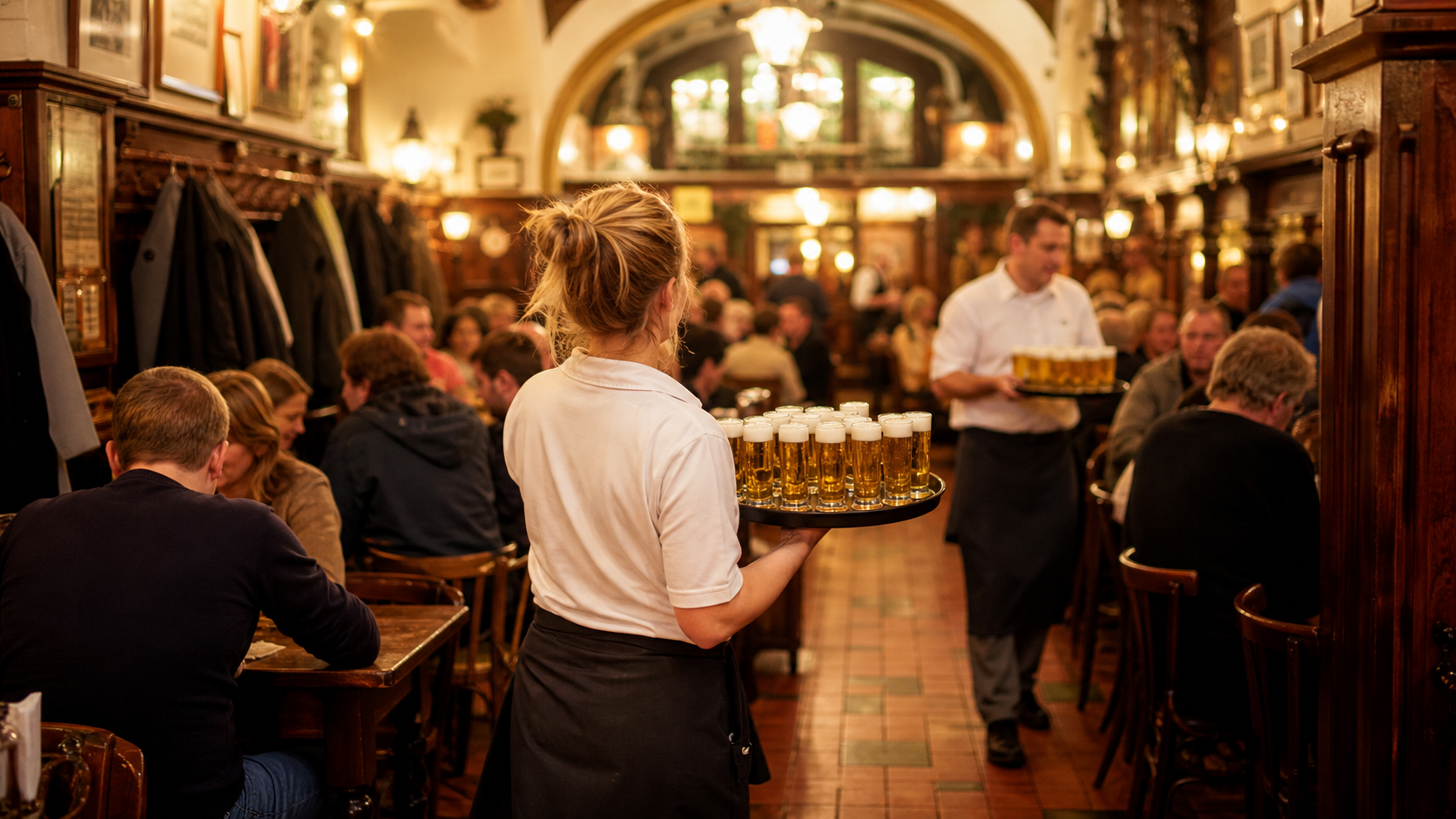
Kölsch is a pale, top-fermented beer served in narrow 0.2-litre glasses called Stangen. In traditional brewery halls, servers known as Köbes carry glasses in circular trays and replace empty ones automatically. Place your coaster on top of the glass when you want to stop; the marks on the coaster form the bill.
Service can seem brisk or teasing, but this is part of local brewery culture. Order food, share tables when asked and avoid demanding a large glass. Each brewery serves its own Kölsch, so taste several over separate stops rather than attempting an excessive crawl.
Classic dishes include Himmel un Ääd, potatoes and apple with blood sausage; Rheinischer Sauerbraten, marinated roast; and Halver Hahn, which is actually a rye roll with aged Gouda, onions and mustard.
Carnival and Local Culture
Cologne Carnival shapes the city’s identity throughout the year and reaches its peak before Lent. The period from Weiberfastnacht through Rose Monday fills streets with costumes, music, parades and crowded celebrations. Many businesses change hours and accommodation sells early.
Best Time to Visit
April to June and September to October usually bring comfortable walking weather and busy outdoor terraces. Summer can be warm and humid, with festivals and riverfront events. Reserve hotels early for large trade fairs because prices rise across the city.
December is famous for multiple Christmas markets but also brings crowds and higher weekend demand. Winter outside events is grey and cool, yet museums and breweries remain appealing. Carnival dates require deliberate planning rather than a casual visit.
Getting Around Cologne
Central Cologne is walkable. KVB trams, underground sections and buses connect outer districts, while regional trains serve the airport and neighbouring cities. Tickets operate within the VRS fare system and must meet current validation rules. Day tickets can be useful for groups or neighbourhood-heavy itineraries.
Cologne Bonn Airport connects by S-Bahn and regional train with Köln Hauptbahnhof. The central station sits directly beside the cathedral, simplifying arrival. Cycling is common, but rails and busy intersections demand attention. A car is unnecessary and parking is expensive.
Where to Stay
Altstadt and the cathedral area provide maximum convenience but include tourist crowds and early railway noise. The Belgian Quarter suits dining, nightlife and boutiques. Südstadt offers a more residential base with good transit, while Deutz provides skyline views and access to the trade fair.
Ehrenfeld appeals to music and street-art enthusiasts. Accommodation near Hauptbahnhof is practical for short stays and day trips, though exact street atmosphere varies. Check soundproofing during Carnival, Christmas markets and trade fairs.
A Three-Day Cologne Itinerary
On day one, tour the cathedral, climb the tower or visit KölnTriangle, then explore the old town and a traditional brewery. On day two, choose Museum Ludwig and several Romanesque churches before walking through the Belgian Quarter and dining there.
On day three, investigate Roman history, cross Hohenzollern Bridge and walk through Rheinpark. Continue to Südstadt and Rheinauhafen, or explore Ehrenfeld. With another day, visit Bonn, Brühl’s palaces or another Rhine town by train.
Practical Tips
Book cathedral tourist entry, the tower and popular museums according to current rules. Reserve accommodation early for Carnival and major fairs. Validate transport tickets, watch for bicycles and keep valuables secure in event crowds.
Cologne’s grandeur and informality work together. Admire Gothic stone, cross the Rhine for sunset and end at a shared brewery table. History, humour and sociability define the city.
Comments