
When northern Europe disappears under grey skies and early darkness, Spain becomes one of the most appealing short-haul escapes on the continent. Winter here is not a single season but a patchwork of very different climates: subtropical islands where you can still eat lunch outdoors in a T-shirt, Andalusian cities bathed in low golden sunshine, Mediterranean promenades that are calm and uncrowded, and snowy mountains where you can ski within sight of the sea on a clear day.
This guide explains where to go in Spain between December and February, what the weather is realistically like in each region, which festivals are worth planning around, and how to get the most out of a winter trip. Whether you want warmth, culture, festive atmosphere or fresh snow, there is a corner of Spain that fits.
What Winter in Spain Is Really Like
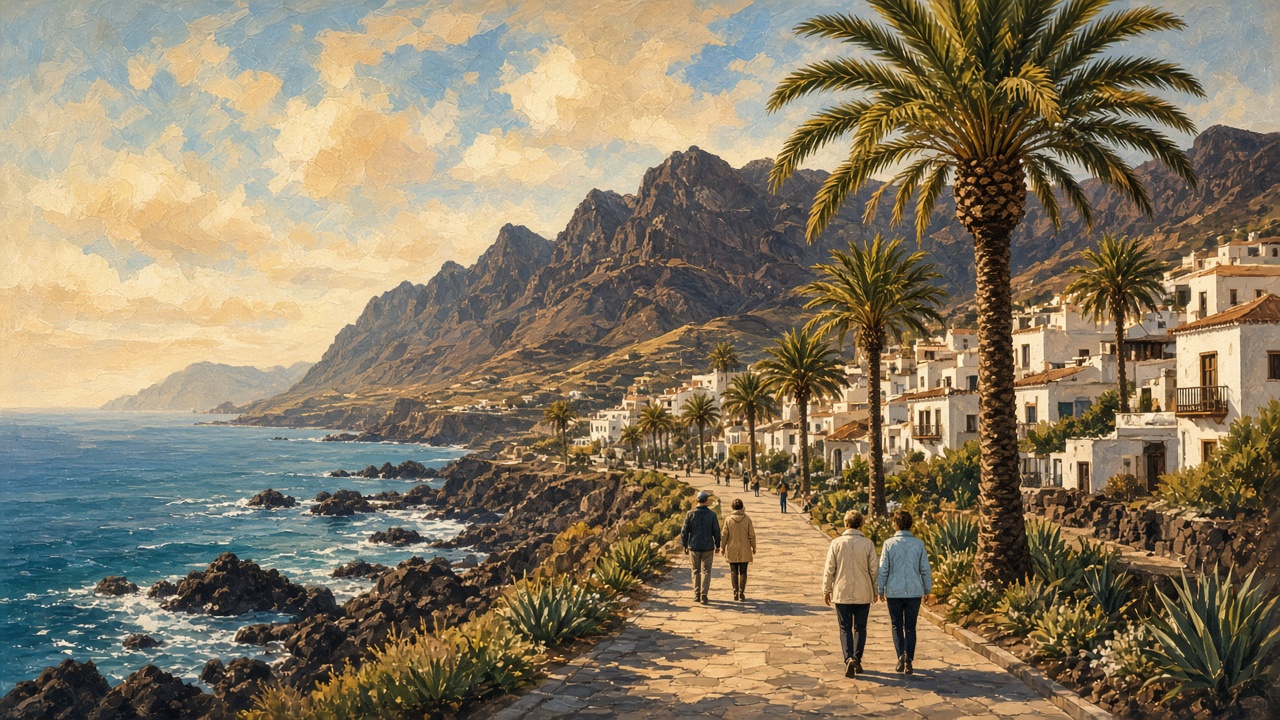
Many visitors arrive expecting summer weather and are surprised to find they need a jacket. Others expect cold and rain and are delighted by blue skies. The truth depends heavily on where you are. As a rough guide, based on long-term averages from AEMET, Spain’s national weather agency:
- Canary Islands: the warmest part of Spain in winter, with January daytime highs typically around 20–21°C and mild nights.
- Andalusian coast and Seville: pleasant days of roughly 16–17°C in January, but nights that can drop to single digits.
- Valencia and the southeast coast: similar daytime temperatures to Málaga, with plenty of sunshine and relatively little rain.
- Barcelona: cooler, with January highs in the low-to-mid teens.
- Madrid and the interior: crisp and often sunny, but genuinely cold, with daytime highs around 10°C and frosty nights possible.
- The north (Basque Country, Galicia, Asturias): green, mild for the latitude, but frequently wet and grey.
Two things catch people out. First, days are short, so sightseeing time is limited compared with summer. Second, many Spanish homes and older hotels are built for heat rather than cold, so indoor spaces can feel chilly. Pack layers, and check that your accommodation has proper heating. For a month-by-month and region-by-region overview, see our guide to the best time to visit Spain.
The Canary Islands: Spain’s Winter Sun Capital
If your main goal is warmth, the Canary Islands are the clear answer. Located off the coast of northwest Africa, they enjoy a mild, spring-like climate all year, which is why they are hugely popular with winter-sun travellers from across Europe. Sea temperatures are cool rather than warm, but many visitors still swim, and sunbathing is realistic on most days.
Tenerife
Tenerife is the largest island and one of the most varied. The south coast, around resorts such as Los Cristianos and Costa Adeje, tends to be the sunniest and driest. The north is greener and more traditional, with towns like Puerto de la Cruz and the historic university city of La Laguna. Teide National Park, home to Spain’s highest mountain, is a highlight, but remember that the summit area can be cold and occasionally snowy in winter, so bring warm clothing even if it is hot on the coast.
Gran Canaria
Gran Canaria combines the dunes and beaches of Maspalomas in the south with Las Palmas, a lively city with a long urban beach, Las Canteras, and a characterful old quarter, Vegueta. The mountainous interior is excellent for scenic drives and hiking in the cooler months.
Lanzarote and Fuerteventura
The eastern islands are drier and windier, with dramatic volcanic landscapes on Lanzarote and long, wide beaches on Fuerteventura. They are popular with walkers, cyclists, surfers and windsurfers, and they suit travellers who prefer a quieter pace.
Tip: Christmas, New Year and the February school holidays in many European countries are peak periods in the Canaries. Book flights and accommodation early if you plan to travel then.
Andalusia: Mild Days and Cultural Cities
Southern Spain is arguably at its best for sightseeing in winter. The summer heat that makes Seville and Córdoba exhausting in July is gone, crowds are thinner, and the light is soft and beautiful. You will not usually be sunbathing, but you can walk for hours in comfort.
Seville
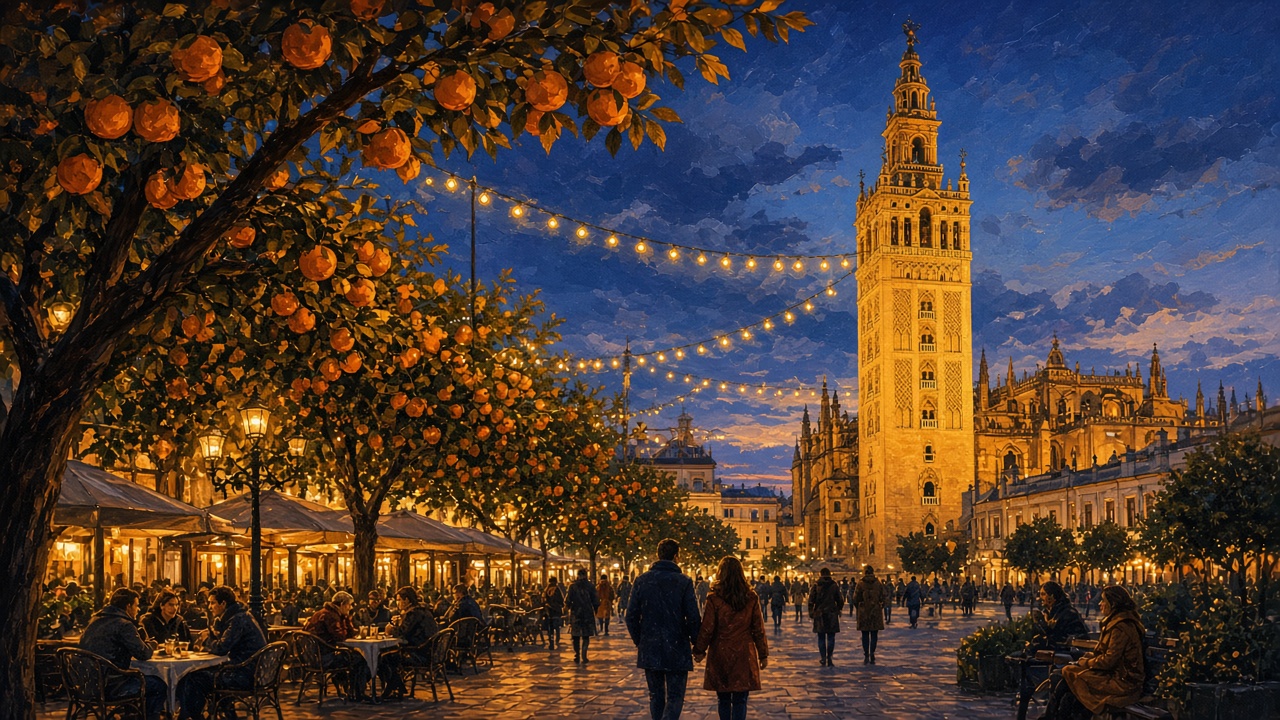
Seville is one of Europe’s most rewarding winter city breaks. The orange trees lining its streets are heavy with fruit, the Real Alcázar gardens are pleasant to stroll, and the cathedral, Giralda tower and Plaza de España are far more comfortable to explore than in summer. In December, Christmas lights, nativity scenes and small festive markets add to the atmosphere. Evenings can be cold, so expect locals to wrap up in coats and scarves while still enjoying tapas outdoors under heaters.
Málaga and the Costa del Sol
Málaga has one of the mildest winter climates on the Spanish mainland, with plenty of sunshine. The city is a great base in itself, with its Alcazaba fortress, museums and a lively food scene, and its Christmas street lights have become a well-known attraction in their own right. Along the Costa del Sol, towns like Nerja, Marbella and Estepona are calmer than in summer, and coastal walks are pleasant. In late January and February, look out for almond trees blossoming in the hills inland.
Granada and the Sierra Nevada
Granada offers a rare combination in winter: the Alhambra, often framed by snow-capped peaks, and a ski resort less than an hour’s drive away. Sierra Nevada is the southernmost ski resort in Europe and is known for its sunny days. The season usually runs from late November or early December until April, depending on snow conditions, so check the official resort website before you go. Book Alhambra tickets well in advance, as they sell out in every season.
Cádiz and Córdoba
Cádiz, one of the oldest cities in Western Europe, is atmospheric and relaxed in the low season, with sea views on almost every side. Córdoba is quieter in winter than during its famous spring patio season, which makes the Mezquita-Catedral and the old Jewish quarter a pleasure to explore.
Valencia and the Mediterranean Coast
Valencia enjoys mild, sunny winters and is an easy city to explore on foot or by bike, especially along the Turia Gardens, a long park built in a former riverbed. The City of Arts and Sciences, the historic centre and the beaches at Malvarrosa are all enjoyable out of season, and winter is a good time to try paella in its home region without the summer crowds. Further south, Alicante and the Costa Blanca are popular with long-stay winter visitors thanks to their reliable sunshine.
If you can stretch your trip to mid-March, Valencia’s Fallas festival, with its giant satirical sculptures, fireworks and street parties, is one of Spain’s most spectacular events, although it falls technically at the very end of winter.
Madrid and Barcelona: Winter City Breaks
Madrid
Madrid is cold in winter but often bright and sunny, and it is a superb city for indoor culture. The Prado, Reina Sofía and Thyssen-Bornemisza museums can easily fill several days, and the city’s cafés, markets and theatres keep it lively whatever the weather. During the Christmas season, the traditional market in Plaza Mayor sells nativity figures, decorations and novelty items, and the streets are decorated with elaborate lights. A cup of thick hot chocolate with churros is practically compulsory.
Barcelona
Barcelona is quieter in winter than in its summer peak, which makes visiting Gaudí’s buildings and the Gothic Quarter more relaxed, though the main sights are still busy and timed tickets are recommended. The Fira de Santa Llúcia, a Christmas market near the cathedral, is one of the city’s oldest festive traditions. Winter is also calçot season in Catalonia, when grilled spring onions dipped in romesco sauce are eaten at lively communal meals known as calçotadas.
Madrid, Barcelona, Valencia, Seville and Málaga are all connected by high-speed trains, so it is easy to combine a cooler city with a warmer one. Our guide to travelling around Spain by train explains how to plan the route.
Winter Festivals Worth Planning Around
Christmas and New Year
Spanish Christmas is a long season. Cities put up lights from late November or early December, nativity scenes (belenes) appear in churches, squares and shop windows, and markets sell decorations and seasonal sweets such as turrón. On New Year’s Eve, Spaniards eat twelve grapes at midnight, one for each chime of the clock; the most famous gathering is at Puerta del Sol in Madrid.
Three Kings: 5–6 January
For many Spanish families, the Epiphany is the highlight of the festive season. On the evening of 5 January, towns and cities hold the Cabalgata de Reyes, a parade in which the Three Kings ride through the streets on floats and throw sweets to the crowds. Children receive their presents on the morning of 6 January, which is a public holiday, and families share a roscón de Reyes, a ring-shaped sweet bread. If you are in Spain at this time, the parades are a joyful, family-friendly spectacle, but expect some shops and services to close on the 6th.
Carnival in February
Spain’s two most famous carnivals take place in winter. The Carnival of Cádiz is known for its witty, satirical songs performed by groups of singers in costume, with the whole city turning into a stage. The Carnival of Santa Cruz de Tenerife is one of the largest in the world, famous for its elaborate costumes, parades and all-night street parties. Dates change each year with the calendar, and organisers sometimes adjust them, so always check the official programme before booking. Accommodation in both cities fills up quickly during carnival.
Practical Tips for a Winter Trip to Spain
- Pack layers: a warm jacket, a jumper and comfortable shoes are essential almost everywhere except the Canary Islands, and even there you will want something warm for evenings and mountain trips.
- Check heating: when booking accommodation, especially in Andalusia, look for reviews that mention heating, as older buildings can be cold inside.
- Plan around shorter days: start sightseeing reasonably early and save museums and indoor sights for late afternoon.
- Watch the holidays: 25 December, 1 January and 6 January are public holidays, and some museums, shops and restaurants close or reduce their hours. Check opening times in advance.
- Book festive periods early: flights and hotels around Christmas, New Year and carnival can be in high demand.
- Expect some seasonal closures: in smaller beach resorts on the mainland, some hotels, beach bars and restaurants close for the low season.
- Drive with care in the mountains: roads to ski areas and high villages can require winter tyres or snow chains after snowfall.
Which Winter Destination Is Right for You?
- For guaranteed warmth and beaches: Tenerife, Gran Canaria, Lanzarote or Fuerteventura.
- For culture in comfortable temperatures: Seville, Córdoba, Granada and Cádiz.
- For a sunny city with a coastal feel: Málaga or Valencia.
- For museums, food and festive atmosphere: Madrid or Barcelona.
- For snow: Sierra Nevada near Granada, or the Pyrenees in the north.
- For festivals: the Three Kings parades in early January, or carnival in Cádiz and Santa Cruz de Tenerife in February.
Conclusion
Winter is one of the most underrated times to visit Spain. You will not find summer heat on the mainland, but you will find mild sunshine in the south, subtropical warmth in the Canary Islands, festive cities full of lights and traditions, and even fresh snow in the mountains. With fewer crowds and a more local atmosphere, it is a season that rewards travellers who choose their region carefully and pack a few extra layers.
Looking for more inspiration for your next trip? Browse the latest destination guides and travel tips on Jettripper.
Comments